


Many adults wonder how modern dentistry can correct crooked teeth while also replacing missing ones. Invisalign and dental implants don’t have to compete—they often work together to create a balanced, healthy smile. In many cases, Invisalign can align natural teeth around existing or future implants when planned carefully with a qualified dentist.
Unlike braces, Invisalign uses clear trays to gently move teeth, offering comfort and flexibility during treatment. Dental implants, on the other hand, act as stable replacements for missing teeth and remain firmly in place while nearby teeth shift into position. Together, they restore both function and appearance without compromising comfort.
When properly coordinated, these treatments can transform both the look and health of a smile. A dental consultation helps determine the right order or combination for lasting results and confidence in every grin.
Key Takeaways
- Invisalign and dental implants can complement each other with proper planning.
- Each treatment improves smile alignment, comfort, and oral function.
- A professional evaluation ensures safe, personalized treatment choices.
Understanding Invisalign and Dental Implants
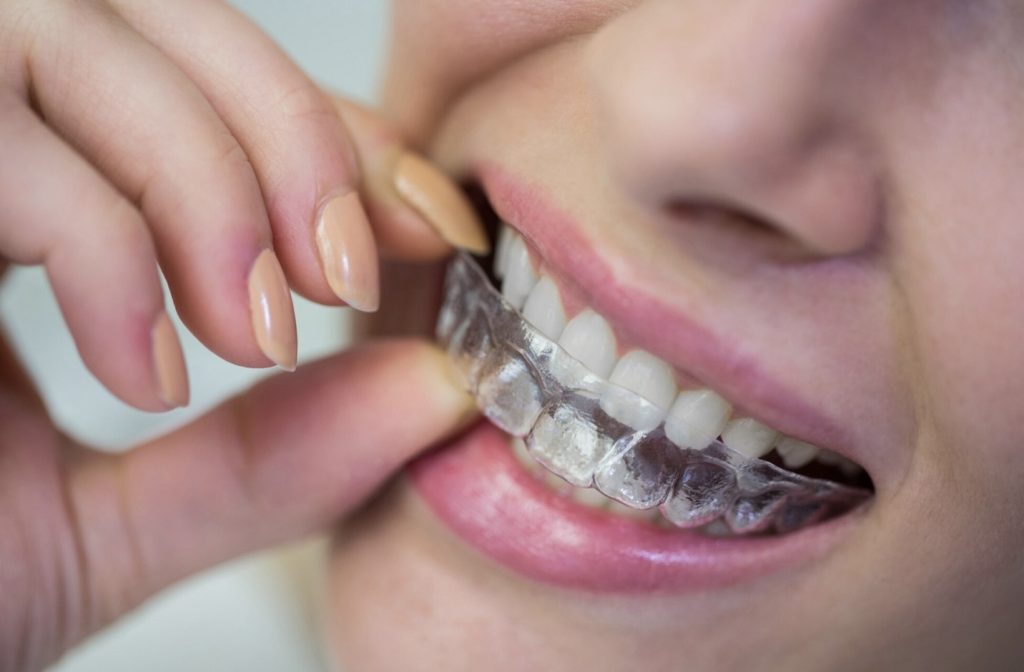
Both Invisalign and dental implants play distinct roles in improving oral health and appearance. One focuses on repositioning natural teeth, while the other replaces missing ones to restore full function and confidence. Together, they can help patients achieve lasting comfort and a balanced smile.
What Is Invisalign?
Invisalign is a modern orthodontic system that straightens teeth using a sequence of clear, removable aligners. Each aligner is custom-made from a smooth, BPA-free plastic designed to fit snugly over the teeth. Patients wear each set for about one to two weeks before moving to the next in the series.
Unlike traditional braces, Invisalign aligners are nearly invisible. They can be taken out for eating, brushing, and flossing, allowing patients to maintain their normal hygiene routine. This makes Invisalign especially appealing for adults and teens who want a discreet treatment option.
Progress is steady but gentle. The aligners apply light pressure to shift teeth into alignment, correcting crowding, gaps, and minor bite irregularities. Regular dental visits allow the provider to track results and make any needed adjustments.
What Are Dental Implants?
Dental implants replace missing teeth permanently by mimicking the structure of natural tooth roots. A small titanium post is surgically placed into the jawbone, where it fuses through a process called osseointegration. Once healed, the post supports a crown designed to match the surrounding teeth in color and shape.
Implants restore chewing ability, preserve facial structure, and prevent bone loss that can occur after tooth loss. They do not decay and require the same care as natural teeth—brushing, flossing, and routine checkups.
Patients usually need several months for healing before the final crown is attached. When completed, implants function and look remarkably similar to natural teeth, providing long-term stability and comfort.
Key Differences Between Invisalign and Dental Implants
While both treatments improve dental health, their purposes differ. Invisalign moves existing teeth into better alignment; implants replace teeth that are missing or beyond repair. The technologies complement but do not overlap.
| Aspect | Invisalign | Dental Implants |
|---|---|---|
| Purpose | Straightens natural teeth | Replaces missing teeth |
| Material | Clear plastic aligners | Titanium post with a ceramic crown |
| Duration | Months to a few years | Several months for full restoration |
| Removability | Removable | Permanent |
| Maintenance | Regular cleaning and aligner care | Standard oral hygiene |
For many patients, dentists may coordinate both treatments as part of a full smile plan. Whether managing misalignment, tooth loss, or both, consulting a trusted dentist helps determine the right path toward a healthy and confident smile.
Benefits of Invisalign
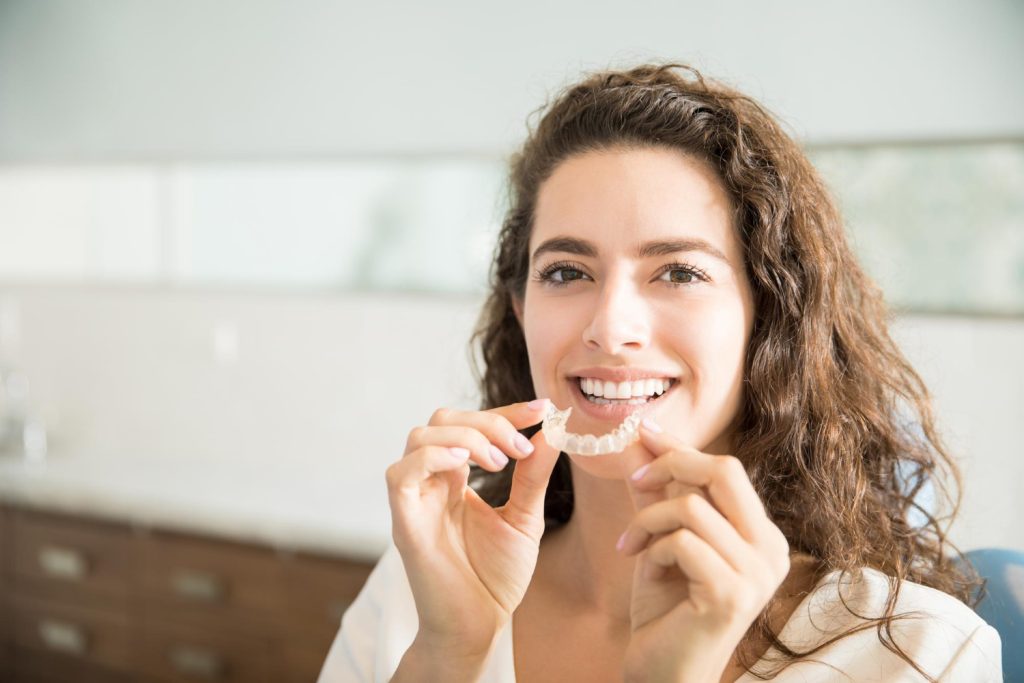
Invisalign aligners help improve both dental health and personal confidence through discreet and comfortable treatment. Patients value their near-invisible design, ease of cleaning, and ability to maintain normal eating and hygiene habits.
Improved Comfort and Aesthetics
Unlike traditional braces, Invisalign uses smooth, custom-molded plastic trays instead of metal wires and brackets. This design reduces irritation to the cheeks and gums. The aligners fit snugly over the teeth, allowing most patients to speak and smile naturally without discomfort.
Because they are clear and removable, Invisalign aligners blend in with daily life. Many adults and teens appreciate being able to straighten their teeth without drawing attention to their orthodontic treatment. The absence of dietary restrictions—patients can remove the aligners before eating—adds convenience and ease.
Aesthetic confidence often improves early in the process. As the teeth gradually shift, patients see visible progress, which can motivate regular wear and consistent care. For those with active social or professional lives, Invisalign offers a treatment that looks natural and feels manageable day to day.
How Invisalign Straightens Teeth
Invisalign uses a series of precisely designed aligner trays that apply gentle, consistent pressure to specific teeth. Each tray is worn for about one to two weeks before switching to the next in the series. Over time, this sequence moves the teeth into their planned positions under the supervision of a dentist or orthodontist.
The digital planning process makes Invisalign highly customized. Dentists use 3D scans to map the exact movements needed, allowing patients to preview their projected results before treatment begins. The controlled adjustments often create a more comfortable and predictable experience compared to metal braces.
Patients must wear the aligners 20–22 hours per day for effective results. Consistent wear allows gradual movement without sudden force, which minimizes soreness. The combination of advanced imaging and patient compliance helps achieve stable alignment while protecting tooth enamel and gum health.
Who Is a Good Candidate for Invisalign?
Invisalign works well for people with mild to moderate alignment concerns, including crowding, spacing, crossbites, or mild overbites. It is especially helpful for adults and teens who prefer a low-profile option over traditional braces.
Those with strong oral hygiene habits benefit most, since aligners must be kept clean to prevent staining or odor. Patients should be comfortable removing and reinserting them throughout the day. The removable design encourages better brushing and flossing, helping maintain gum health during treatment.
However, Invisalign may not suit complex bite issues or severe tooth rotations. In these cases, a dentist may recommend a combined or alternative orthodontic plan. Consulting a dental professional ensures a clear understanding of the options and helps individuals make an informed decision about their smile goals.
Benefits of Dental Implants
Dental implants help restore missing teeth with stable, natural-looking replacements that function much like real teeth. They enhance chewing ability, prevent bone loss, and support long-term oral health while maintaining a natural appearance.
Restoring Function and Appearance
A dental implant replaces both the tooth and its root, giving patients a strong foundation for biting and chewing. Because the implant fuses with the jawbone, it remains secure even when eating tough foods. This stability often allows patients to enjoy meals comfortably without worrying about shifting or slipping, unlike dentures.
From an aesthetic standpoint, implants blend seamlessly with existing teeth. Modern ceramics and customized shaping help match the color, size, and contour of surrounding teeth. The result looks and feels natural, helping restore confidence in smiling and speaking.
Key advantages include:
- Improved chewing and speech clarity
- Natural-looking, custom design
- No adhesives or nightly removal
Together, these benefits make dental implants a dependable option for restoring both the beauty and function of a complete smile.
Long-Term Advantages
Dental implants typically provide one of the most durable tooth replacement options available. With proper oral hygiene and regular checkups, they can last for decades. Unlike traditional bridges, implants do not rely on adjacent teeth for support, preserving surrounding tooth structure.
An implant also helps maintain bone health. When a tooth is lost, the jawbone can gradually shrink because it no longer receives stimulation from chewing. The titanium post of an implant integrates with the bone and keeps it active, reducing the risk of bone resorption over time.
Long-term benefits include:
- Preserved bone density
- Protection of neighboring teeth
- Reduced need for future replacements
By supporting oral structures and long-term stability, implants often prove to be a more sustainable and cost-effective investment than temporary restorations.
Who Should Consider Dental Implants?
Good candidates for dental implants usually have healthy gums and enough jawbone density to support the implant post. People missing one or more teeth from injury, decay, or disease often benefit from this treatment. Those seeking a fixed, natural-feeling solution instead of removable dentures also find implants appealing.
Dentists may recommend a bone graft or sinus lift if bone levels are insufficient, ensuring a secure and lasting result. Patients who maintain consistent oral hygiene and refrain from smoking typically experience the best outcomes.
Ideal candidates generally:
- Have completed jaw growth (usually adults).
- Practice daily brushing and flossing.
- Attend regular dental visits.
A consultation allows the dental team to evaluate bone structure, gum health, and overall suitability for treatment, helping patients make a confident and informed choice about their care.
The Invisalign Treatment Process
Invisalign treatment uses a series of custom-made, clear aligners that gradually shift teeth into their ideal positions. Each step focuses on careful planning, patient comfort, and effective, predictable results guided by dental professionals.
What to Expect at Each Step
The process begins with a consultation. During this visit, the dentist evaluates oral health, takes digital scans, and creates a 3D model of the teeth. This model helps design a personalized treatment plan showing the expected movement of teeth and an estimated timeline.
Once the aligners are ready, the patient receives a series of trays — each worn for about one to two weeks. Aligners should fit snugly, applying gentle pressure to move teeth incrementally. They must be worn 20–22 hours per day, removed only for eating, drinking (except water), brushing, and flossing.
Every few weeks, the patient checks in with the dentist to monitor progress. These appointments are usually brief and allow adjustments if needed. Treatment continues until all aligners are completed, revealing a straighter smile.
Below is a simplified overview:
| Step | Description |
|---|---|
| 1 | Initial consultation and 3D scanning |
| 2 | Custom aligner creation |
| 3 | Wearing aligners in sequence |
| 4 | Periodic check-ups |
| 5 | Completion and retainer phase |
Caring for Your Aligners
Proper care keeps the aligners clean, clear, and effective. Patients should rinse them with lukewarm water after removal and clean them daily using a soft toothbrush or approved cleaning solution — never hot water, which can warp the plastic.
When eating or drinking anything besides water, aligners should be removed and stored safely in their protective case. Leaving them out in open air can expose them to bacteria or cause misplacement.
Brushing and flossing before reinserting the trays prevent staining and buildup. To maintain oral hygiene, many dentists recommend a travel kit with a small toothbrush, floss, and aligner case for convenience. Consistent care helps aligners stay fresh and ensures smooth progress throughout treatment.
Patients with questions or concerns should contact their dental provider for personalized tips or adjustments.
The Dental Implant Journey
Getting a dental implant involves careful planning, precise procedures, and thoughtful aftercare. Each stage works together to help the patient restore comfort, function, and appearance with results that feel and look natural.
Stages of Implant Placement
Dental implant placement usually happens in several steps spread out over a few months. It begins with a comprehensive evaluation, including X-rays or 3D scans to assess bone structure and tailor a treatment plan. If a patient needs bone grafting or tooth extraction first, these procedures are completed before the implant stage.
During implant surgery, the dentist places a small titanium post into the jawbone, acting as an artificial tooth root. Local anesthesia keeps the procedure comfortable. Over the next few months, the bone gradually fuses with the implant in a healing phase called osseointegration.
Once stability is confirmed, an abutment connects the implant to a custom dental crown. The crown is color-matched and shaped to blend naturally with surrounding teeth. The finished result restores normal biting strength and appearance.
Typical timeline (approximate):
| Stage | Description | Healing Time |
|---|---|---|
| Evaluation & Imaging | Treatment plan and preparation | 1–2 weeks |
| Implant Surgery | Placement of titanium post | 3–6 months for integration |
| Abutment & Crown | Installation of final restoration | 2–4 weeks |
Post-Procedure Care Tips
After implant surgery, caring for the mouth properly supports faster healing and long-term success. The area often feels tender for a few days, so patients are advised to eat soft foods like yogurt, eggs, and soups. Avoiding smoking and minimizing alcohol intake helps protect the gum tissue and implant site.
Good oral hygiene remains essential. Brushing gently with a soft toothbrush and rinsing with an antimicrobial mouthwash prevents infection. Flossing with specialized implant-safe tools or water flossers also keeps the area clean without damaging the gumline.
Regular checkups allow the dentist to monitor healing and ensure the implant stays secure. Most patients adapt quickly and can resume normal routines within a week. With consistent care and routine dental visits, an implant can last for decades.
Patients unsure about next steps should schedule a consultation to discuss their individual needs and receive tailored guidance for a healthy, lasting smile.
Choosing the Right Solution for Your Smile
The best dental treatment depends on a person’s oral health needs, existing tooth structure, and long-term goals. A careful evaluation ensures that Invisalign or dental implants—and sometimes both—work together to create a healthy, functional, and natural-looking smile.
Factors to Consider
Each treatment addresses different dental concerns. Invisalign gently moves existing teeth into alignment using clear, removable trays. It benefits patients with crowding, gaps, or bite issues. Dental implants, on the other hand, replace missing teeth and preserve bone health, providing stability similar to natural roots.
Timing matters when both treatments are needed. If teeth require repositioning before placing implants, orthodontic treatment often comes first. However, if missing teeth affect overall bite or alignment planning, implants might be placed earlier. Dentists evaluate bone density, gum condition, and spacing to determine the best sequence.
Cost and treatment duration also influence decisions. Invisalign may take several months to over a year, while implants require surgical healing time. Comfort preferences play a role too—some patients prefer Invisalign’s removable trays, while others prioritize the permanence of implants.
A helpful comparison:
| Feature | Invisalign | Dental Implants |
|---|---|---|
| Purpose | Straightens teeth | Replaces missing teeth |
| Duration | ~6–18 months | Several months (including healing) |
| Removable | Yes | No |
| Addresses | Alignment, spacing | Tooth loss, bone support |
Consulting with Your Dental Professional
A personalized evaluation ensures that treatment supports a patient’s dental health and smile goals. A dentist or orthodontist reviews X-rays, bite patterns, and any existing restorations to design a step-by-step plan.
During the consultation, providers explain how each option fits into the broader health of the mouth. They may discuss how Invisalign aligners can work around existing implants or how implant placement might affect future tooth movement. Patients should ask about timelines, cost estimates, and expected maintenance needs.
Clear communication with dental professionals helps reduce uncertainty. They guide patients through realistic expectations, discuss available technologies, and answer questions about comfort, appearance, and longevity. Taking the time to consult before starting treatment allows every patient to move forward confidently, knowing that their smile plan is tailored precisely to their needs.
Frequently Asked Questions
Patients often wonder how clear aligners and restorative treatments like dental implants or crowns work together. Each situation is unique, and understanding how Invisalign fits into various dental conditions helps set realistic expectations for treatment planning and timing.
What are the considerations for using Invisalign if you have a missing tooth?
When a tooth is missing, Invisalign can sometimes help maintain space or prepare the area for a future implant. The aligners can be designed to avoid putting pressure where a tooth is absent, keeping neighboring teeth from shifting.
In cases where multiple teeth are missing, additional planning may be needed to ensure proper alignment and bite balance. Dentists may use temporary fillers or “pontics” within the aligners to preserve appearance during treatment.
Can Invisalign aligners be used in conjunction with crowns and dental implants?
Yes, Invisalign can often be used along with crowns and implants, but the dentist must carefully plan movement around these fixed structures. Crowns typically respond to gentle forces, although their shape and position might influence how the aligners fit.
Dental implants, unlike natural teeth, do not move once placed. Treatment plans will work around them, focusing on shifting the remaining teeth to a healthier position.
How does the timing of getting dental implants affect Invisalign treatment?
Timing plays a key role in combining these treatments. Most dental professionals recommend completing orthodontic movement with Invisalign before placing implants. This ensures the implant is positioned in line with the final, corrected bite.
If an implant already exists, the dentist will design the Invisalign plan to accommodate its fixed position. The goal is to achieve well-aligned teeth without compromising implant stability.
Is it possible to have Invisalign treatment when you already have a crown?
In most cases, yes. Patients with crowns can still be good candidates for Invisalign. The dentist evaluates the condition of the crown to confirm it can handle the gentle pressure from aligner movement.
Occasionally, new crowns may be needed after Invisalign treatment if tooth positions change significantly. Regular monitoring ensures the crown and tooth remain healthy during the process.
What alternative options are available for those who may not be suitable candidates for dental implants?
For patients who are not candidates for implants due to bone density, medical conditions, or budget, options like dental bridges or partial dentures can fill gaps effectively. These solutions restore chewing ability and aesthetics while keeping existing teeth supported.
A dentist can tailor treatment to meet both functional and cosmetic needs without compromising comfort or oral health.
How should one choose between getting Invisalign and dental implants first?
The decision depends on each patient’s goals and dental condition. If tooth movement is needed to create proper spacing, Invisalign usually comes first. Once alignment is complete, the implant can be placed in its ideal position.
When missing teeth affect alignment, coordinating both treatments ensures balance and long-term success. Consulting with a dentist or orthodontist helps patients choose the right sequence and achieve a confident, natural smile.
 Location
 Appointment
 Phone
Phone