

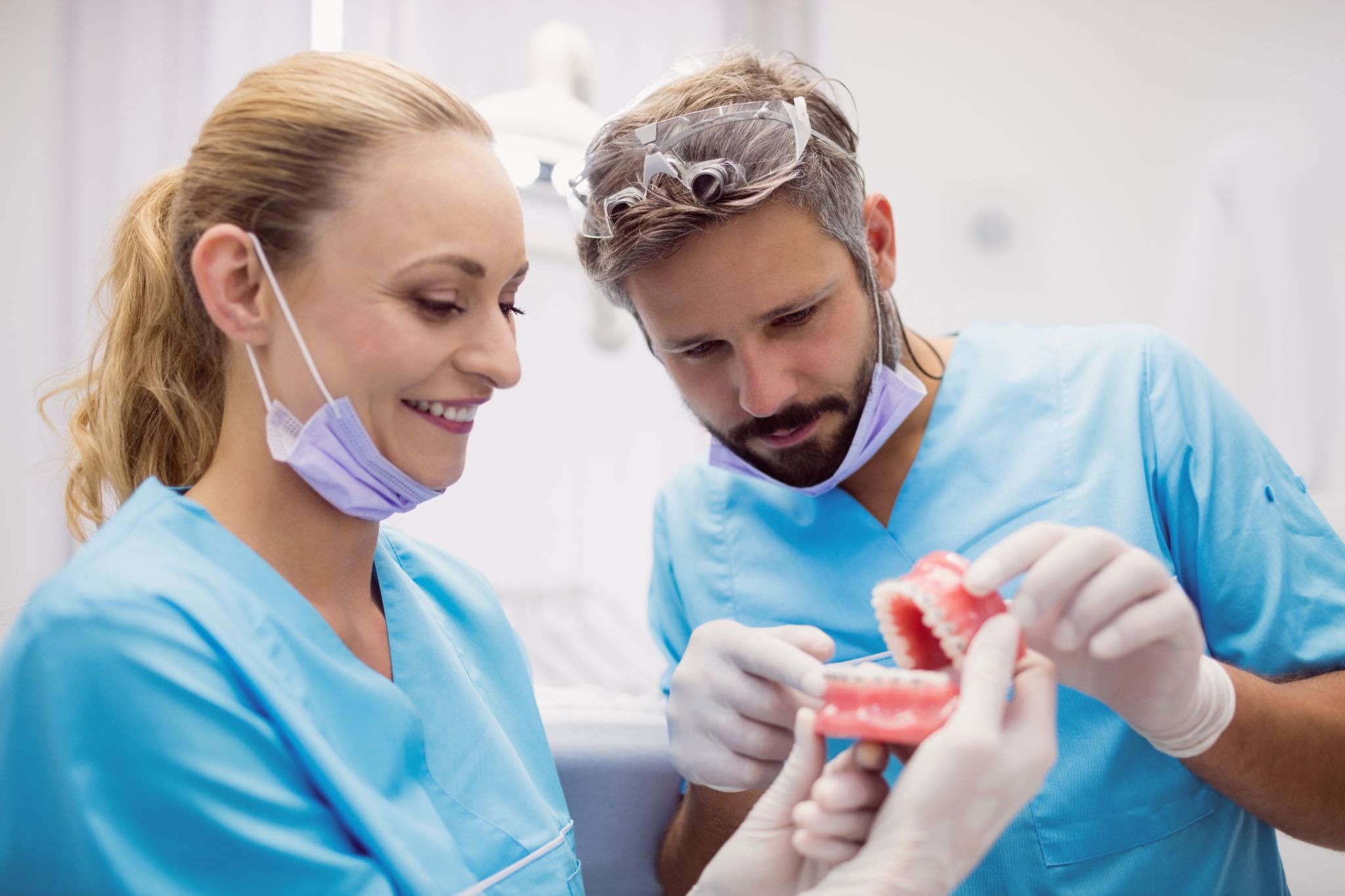
Tooth loss can affect more than just your smile. It can influence how you eat, speak, and feel in everyday life. Fortunately, modern dentistry offers several solutions, with dental implants and dentures being the most common choices. Understanding the differences between these options is essential for choosing what suits your needs best.
This guide by Dullat Cosmetic Dental & Implants explores implants vs dentures in detail, including comfort, maintenance, longevity, and lifestyle considerations. It also covers alternatives such as fixed bridges and permanent teeth solutions for those seeking stability beyond traditional removable options.
Understanding Dental Implants and Dentures
Dental implants are fixed solutions where titanium posts are surgically placed into the jawbone, acting as artificial tooth roots. They support crowns, bridges, or full-arch restorations and closely mimic natural teeth in function and appearance. Dentures, on the other hand, are removable appliances designed to replace multiple missing teeth and surrounding tissue, resting on the gums and sometimes supported by adhesives or clasps.
What Are Dental Implants?
Dental implants are artificial tooth roots made of titanium that are surgically placed into the jawbone. Once healed, they support crowns, bridges, or full-arch restorations that function like permanent teeth.
They are often considered a long-term denture alternative because they provide stability and mimic natural tooth function.
What Are Dentures?
Dentures are removable appliances designed to replace missing teeth. They can be full dentures replacing all teeth in the upper or lower jaw or partial dentures filling gaps between remaining natural teeth.They rest on the gums and may require adhesives for better stability.
Key Differences Between Implants and Dentures
Dental implants are fixed in place and offer a high level of stability, closely mimicking natural teeth in both appearance and function. They are designed to last for many years and help preserve jawbone health by providing stimulation similar to natural tooth roots.
Dentures, in contrast, are removable and may shift or loosen over time, especially as the shape of the jaw changes. While modern dentures are designed to look natural, they may not offer the same level of precision or comfort as implants. They also require regular adjustments and replacement over time.
Lifestyle Considerations: Choosing What Works for You
When deciding between implants vs dentures, your daily habits, preferences, and expectations play a major role. Your diet, comfort with maintenance routines, and willingness to undergo procedures like tooth extractions or surgery can influence the decision. Dental implants are ideal for active lifestyles seeking stability, durability, and a natural feel, while dentures may appeal to those who prefer flexibility, lower upfront costs, and a non-surgical option.
Comfort and Fit
Dental implants integrate with your jawbone, making them feel like natural teeth. There is no slipping or discomfort once healing is complete.
Dentures, on the other hand, can feel bulky at first. Some people experience sore spots or difficulty adjusting, especially if the fit changes over time.
For people tired of loose dentures, implants or implant-supported dentures may provide a more secure experience.
Eating and Nutrition
Food choices can be affected significantly by your tooth replacement option.
With dental implants, you can eat most foods, including hard or crunchy items, and your bite strength is similar to natural teeth.
With dentures, sticky or hard foods may be difficult to manage, and chewing efficiency is reduced. This makes implants a practical choice for those who want fewer dietary restrictions.
Speech and Confidence
Loose dentures may shift while speaking, leading to minor speech difficulties or self-consciousness.
Implants provide a fixed solution, allowing clearer speech and improved confidence in social situations.
Maintenance and Daily Care
Dental implants require care similar to natural teeth, including brushing twice daily, flossing, and regular dental check-ups.
Dentures require a different routine, including daily removal and cleaning, soaking overnight, and sometimes the use of adhesives.
People seeking a low-maintenance, long-term option often prefer implants or permanent teeth solutions.
Long-Term Oral Health Impact
Long term oral health is influenced by consistent hygiene, balanced diet, and regular dental visits. Neglect can lead to gum disease, tooth loss, and systemic health complications over time.
Bone Loss and Facial Structure
One major difference between implants vs dentures is how they affect your jawbone.
Dental implants stimulate the bone, helping prevent bone loss. Dentures sit on the gums and do not provide this stimulation.
Over time, bone loss can lead to facial sagging, making dentures less stable and altering appearance.
Durability and Replacement
Implants are designed for long-term use and can last decades with proper care.
Dentures typically need replacement or adjustment every few years due to wear and tear and changes in jaw shape.
This is an important factor when evaluating long-term costs and convenience.
Cost Comparison: Short-Term vs Long-Term Value
Cost is often a deciding factor, but it should be viewed over time.
Dental implants involve a higher initial cost due to the surgical procedure and materials used. However, their long lifespan often reduces the need for future replacements.
Dentures have a lower upfront cost but may involve ongoing expenses for adjustments, replacements, and maintenance products.
While dentures may seem more affordable initially, implants can offer better long-term value for many patients.
Alternatives to Consider
If neither traditional dentures nor full implants seem ideal, there are other options available.
Fixed Bridges
Fixed bridges are supported by adjacent teeth or implants and fill gaps permanently. They are more stable than removable dentures but may require altering nearby teeth.
Implant-Supported Dentures
These combine the benefits of both options. Dentures are anchored using implants, providing improved stability compared to traditional dentures.
This is a practical choice for people tired of loose dentures who are not ready for full implant restoration.
Full-Arch Permanent Teeth
Advanced implant systems allow replacement of an entire arch using a few strategically placed implants. These are often referred to as permanent teeth solutions.
They provide fixed, non-removable teeth with a natural appearance and improved comfort compared to removable dentures.
Who Should Choose Dental Implants?
Dental implants may be suitable if you want a long-term solution, prefer fixed and stable teeth, have sufficient jawbone density, and are comfortable with a surgical procedure.
They are especially beneficial for individuals looking for durable denture alternatives.
Who Should Choose Dentures?
Dentures may be a better option if you prefer a non-surgical approach, have budget constraints, need a quicker solution, or have significant bone loss that makes implants less suitable.
They remain a practical solution for many individuals.
Common Concerns About Dental Implants
Is the procedure painful?
The procedure is typically performed under local anesthesia, and most patients report manageable discomfort during recovery.
How long does treatment take?
The full process can take several months, including healing time after implant placement.
Making the Right Decision
Choosing between implants vs dentures depends on your lifestyle and eating habits, budget and long-term goals, oral health condition, and comfort with surgical procedures.
Consulting a dental professional is essential to evaluate your specific needs and determine the most appropriate solution.
Conclusion
Both dental implants and dentures serve the same purpose but offer very different experiences. Implants provide a stable, long-term solution that closely resembles natural teeth, while dentures offer a more accessible and non-invasive alternative.
For those exploring denture alternatives or seeking permanent teeth, implants and implant-supported solutions can significantly improve comfort and confidence, especially after procedures like tooth extractions. However, the right choice ultimately depends on your lifestyle, oral health, and personal preferences.
FAQ Section
Q1. Are dental implants better than dentures?
Dental implants offer greater stability, durability, and bone preservation. However, dentures may be more suitable for those seeking a non-surgical or lower-cost option.
Q2. How long do dental implants last?
With proper care, dental implants can last 15 to 25 years or longer, making them a long-term solution.
Q3. Do dentures need to be replaced?
Yes, dentures usually need replacement every 5 to 10 years due to wear and changes in jaw structure.
Q4. Can I switch from dentures to implants later?
Yes, many people transition from dentures to implants when they are ready for a more permanent solution.
Q5. Are there options between implants and dentures?
Yes, options such as fixed bridges and implant-supported dentures provide a middle ground between removable and fully permanent teeth.
Q6. Which option looks more natural?
Dental implants typically provide the most natural appearance because they closely mimic real teeth in shape and function.
 Location
 Appointment
 Phone
Phone