

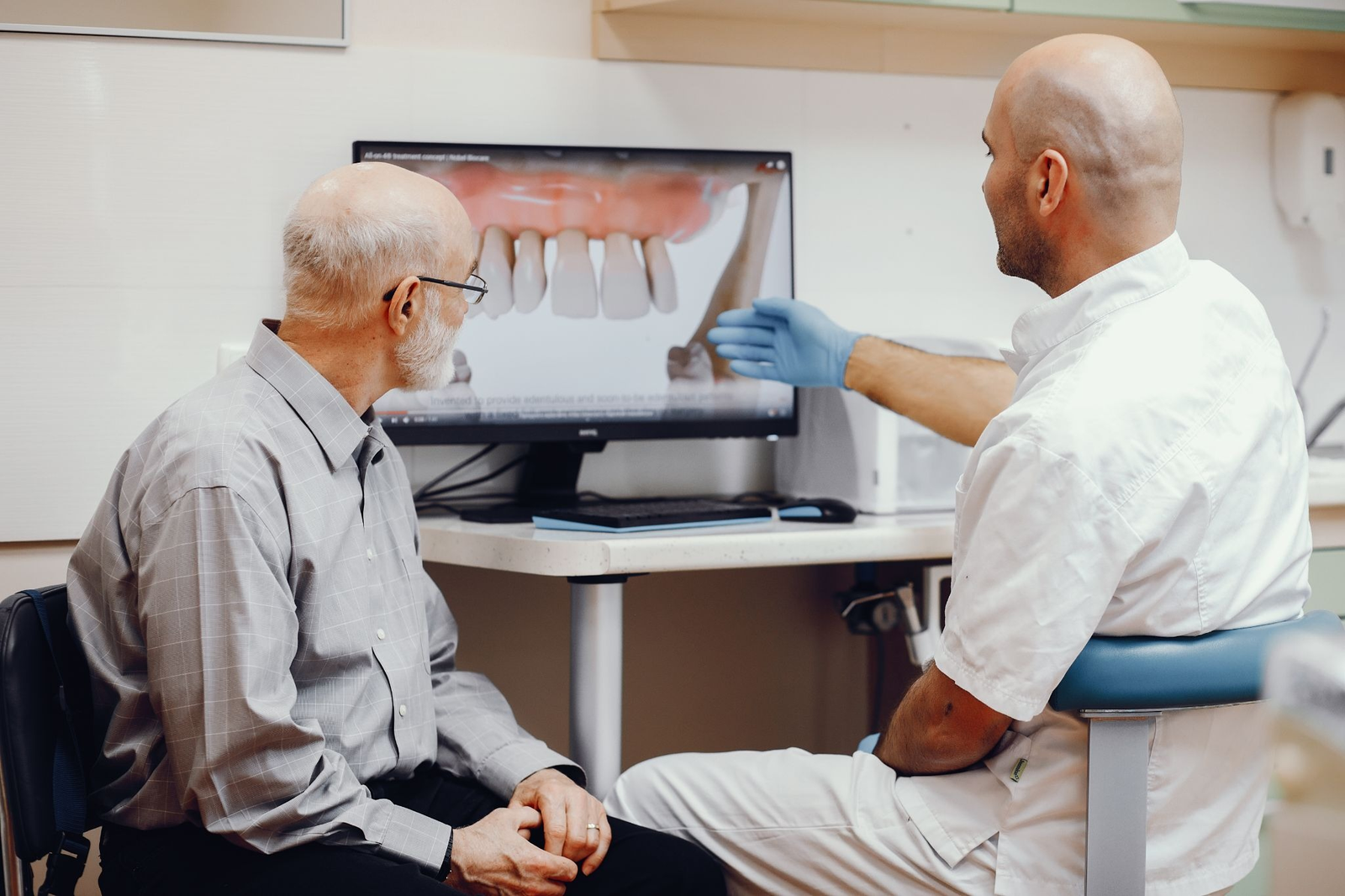
Missing teeth can affect more than just the appearance of your smile. They may impact chewing ability, speech, confidence, and overall oral health. Dental Implants have become a widely considered option for replacing missing teeth because they are designed to restore both function and appearance. Dental Implants provide a stable foundation that closely resembles the structure of a natural tooth, making them a popular choice for long-term tooth replacement.
When exploring options for missing teeth replacement, many patients compare dental implants and bridges to understand which solution best matches their needs. At Dullat Cosmetic Dental & Implants, patients can learn about different restoration options based on their dental condition, lifestyle, and smile goals. Understanding how dental implants and dental bridges work can help individuals make informed decisions about improving their oral health.
Understanding Dental Implants
Dental implants are artificial tooth roots that are placed into the jawbone to support a replacement tooth. They are usually made from biocompatible materials that allow them to integrate with the surrounding bone over time.
Unlike some traditional tooth replacement methods, dental implants do not rely on neighboring teeth for support. This makes them an independent restoration option that can help maintain natural tooth structure.
The dental implant process generally includes:
• A dental evaluation to check oral health and bone condition
• Placement of the implant into the jawbone
• A healing period for proper integration
• Attachment of a customized dental restoration
Dental implants can help restore normal chewing function while providing a natural-looking appearance.
Understanding Dental Bridges
A dental bridge is another common solution for replacing missing teeth. A bridge uses surrounding teeth as support to hold an artificial tooth in the space where a tooth is missing.
Traditional bridges usually involve placing crowns over nearby teeth to support the replacement tooth. This option may be suitable for patients who have healthy supporting teeth and specific tooth replacement needs.
A dental bridge may be considered when:
• A patient needs to replace one or more missing teeth
• Neighboring teeth can support the restoration
• A non-implant option is preferred
• Treatment goals require a different approach
The right choice depends on a patient’s oral health, preferences, and long-term dental needs.
Factors to Consider Before Choosing a Tooth Replacement Option
Choosing between dental implants and bridges requires careful evaluation. Every patient has different dental conditions and treatment goals.
Important factors include:
Oral Health Condition
Healthy gums and teeth are important for successful tooth replacement. Existing dental concerns may need to be addressed before starting treatment.
Patients experiencing gum issues may need guidance from a dentist for gum disease before choosing a restoration option.
Jawbone Support
Dental implants require sufficient jawbone support for proper placement. If bone loss has occurred, additional procedures may sometimes be considered before implant treatment.
Treatment Timeline
The treatment process varies between implants and bridges. Dental implants usually require a healing period, while bridges may sometimes be completed within a shorter timeframe.
Long-Term Goals
Patients should consider how they want their restoration to function and how they want to maintain their oral health over time.
A dental professional can help compare options based on individual needs.
Dental Implants vs Dental Bridges: Main Differences
Although both dental implants and bridges can replace missing teeth, they differ in how they function and affect surrounding oral structures.
Tooth Support
Dental implants replace the missing tooth root by being placed directly into the jawbone. This provides a strong foundation for the replacement tooth.
A dental bridge does not replace the tooth root. Instead, it depends on nearby teeth for support.
Effect on Natural Teeth
One important difference between implants and bridges is how they affect surrounding teeth.
Dental implants generally do not require modification of nearby healthy teeth. A dental bridge may require reshaping neighboring teeth to support the crowns used in the restoration.
Long-Term Durability
Dental implants are designed as a long-term tooth replacement option when properly maintained. Dental bridges can also provide reliable results, but their lifespan may depend on factors such as oral hygiene, surrounding teeth, and regular dental care.
Bone Health
When a tooth is lost, the jawbone in that area may gradually weaken due to the lack of stimulation from the tooth root.
Because dental implants replace the tooth root, they may help support jawbone preservation. Bridges do not provide the same type of bone stimulation because they sit above the gumline.
Maintaining Oral Health Before and After Treatment
Good oral care plays an important role before and after receiving dental restorations. Healthy teeth and gums create a better foundation for long-term results.
Preventive treatments may help strengthen and protect natural teeth. For example, some patients may benefit from a teeth enamel treatment to support stronger tooth surfaces.
After receiving implants or bridges, patients should continue regular dental habits, including:
• Brushing twice daily
• Flossing regularly
• Scheduling dental checkups
• Following professional care instructions
Maintaining proper oral hygiene helps protect the restoration and surrounding teeth.
Benefits of Choosing Dental Implants
Dental implants offer several benefits for patients looking for a stable and natural-looking tooth replacement option.
Some advantages include:
• Improved chewing ability
• Natural appearance
• Better stability compared to removable options
• Support for jawbone health
• No need to rely on neighboring teeth
Many patients searching for dental implants in san jose ca consider implants because they provide a solution that closely resembles natural teeth in both appearance and function.
Benefits of Choosing a Dental Bridge
Dental bridges also provide important benefits for certain patients. They can be an effective option when the surrounding teeth are strong enough to support the restoration.
Benefits of a dental bridge may include:
• Faster completion in some situations
• Restoration of smile appearance
• Improved chewing ability
• No surgical placement required
A dental bridge may be appropriate for individuals who want a fixed restoration but may not be candidates for implant treatment.
Choosing Between Dental Implants and Bridges
There is no single tooth replacement option that works for every patient. Dental implants may be suitable for individuals seeking a stable, independent restoration, while a dental bridge may work well for patients with healthy supporting teeth.
Patients considering dental implants san jose should evaluate factors such as oral health, treatment expectations, and long-term maintenance requirements.
A consultation allows patients to understand the advantages and limitations of each option before making a decision.
Additional Dental Care for Protecting Your Smile
Some patients may experience habits that affect their dental restorations, such as teeth grinding during sleep. Excessive pressure on teeth may contribute to wear or discomfort.
A custom fit night guard may help protect teeth by reducing the impact of grinding forces during sleep.
Discussing these concerns with a dental professional can help patients protect their investment in their oral health.
Conclusion
Dental implants and dental bridges are both effective solutions for replacing missing teeth, but they differ in structure, treatment process, and long-term benefits. Dental implants provide support similar to natural tooth roots, while bridges offer a fixed restoration supported by surrounding teeth.
Choosing the right missing teeth replacement option depends on individual dental needs, oral health conditions, and personal goals. A professional evaluation can help determine whether dental implants, a dental bridge, or another solution is the most suitable approach.
With proper planning and consistent oral care, tooth replacement treatments can help restore function, appearance, and confidence.
Frequently Asked Questions
Q1. What are dental implants?
Dental implants are artificial tooth roots placed into the jawbone to support a replacement tooth or dental restoration.
Q2. Are dental implants better than a dental bridge?
Both options have advantages. Dental implants may provide more independent support, while bridges can be suitable depending on a patient’s oral health and needs.
Q3. How long do dental implants last?
With proper care, regular dental visits, and good oral hygiene, dental implants can provide a long-term tooth replacement solution.
Q4. Can anyone get dental implants?
Not everyone is automatically a candidate for implants. A dental evaluation is needed to check bone support, gum health, and overall oral condition.
Q5. How do I maintain dental implants or bridges?
Both dental implants and bridges require regular brushing, flossing, and professional dental checkups to maintain oral health and protect the restoration.
 Location
 Appointment
 Phone
Phone