

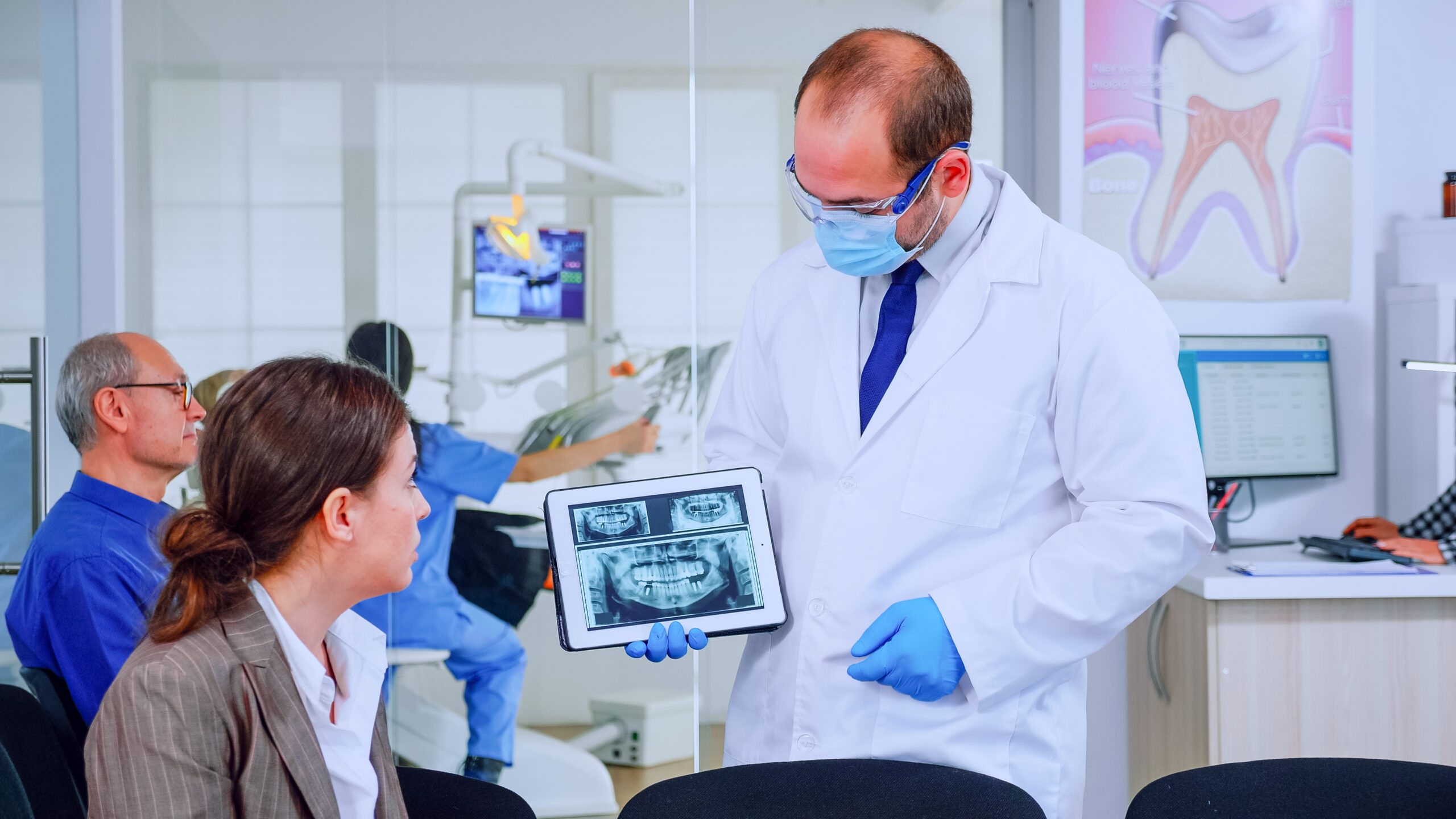
Dental Implant care is changing fast, and digital dentistry is the reason. Today’s clinics can plan, place, and restore implants with more accuracy and fewer surprises. As a result, patients often experience smoother visits and clearer expectations from start to finish.
At Dullat Cosmetic Dental & Implants, digital tools support each step of implant care, from diagnosis to the final crown. If you are curious about the technology, understanding it can make the process feel far more predictable.
What digital dentistry means for Dental Implant care
Digital dentistry uses advanced hardware and software to improve diagnosis, planning, and treatment delivery. In implant dentistry, it replaces many manual steps with precise digital records. This makes the plan easier to measure, review, and explain.
Instead of relying only on traditional impressions and limited 2D images, dentists can use digital scans and 3D imaging to guide decisions. Therefore, the treatment plan becomes more personalized to your anatomy.
How Dental Implant treatment evolved into a digital workflow
Dental implant treatment once depended on physical impressions and more estimation during placement. While those methods worked, they left less room for detailed visualization. That could affect planning time and overall predictability.
Now, many patients choose modern options like Dental Implant Treatment that use digital systems. These workflows can shorten steps, improve communication, and support more consistent results.
Why 3D dental imaging benefits matter for implants
3D dental imaging benefits are central to modern implant planning. This technology shows the jawbone and nearby structures in detail. It helps the dentist plan a safer, more accurate implant position.
- More accurate bone measurements and bone density evaluation
- Clear mapping of nerves, sinuses, and other anatomy
- Better surgical planning and risk reduction
- More predictable Dental Implant placement outcomes
Understanding cone beam CT dentistry
Cone beam CT dentistry (CBCT) creates detailed three-dimensional images of oral structures. It is commonly used to assess bone quality and determine the best implant angle and depth. Because the image is more complete, it reduces guesswork.
CBCT is especially helpful when anatomy is complex or when bone volume is limited. Additionally, it supports planning for bone grafting when needed.
How AI dental diagnostics improves Dental Implant planning
AI dental diagnostics supports the dentist by analyzing imaging and clinical information quickly. It does not replace professional judgment, but it can highlight patterns and risks that may be easy to miss. This can improve decision-making during implant evaluation.
For Dental Implant cases, AI-assisted insights may support:
- Bone condition assessment and case screening
- Earlier detection of potential complications
- More consistent treatment planning documentation
Digital smile design and restoration planning
Digital smile design technology helps patients preview how the final teeth may look before treatment begins. It combines imaging with design software to show likely shape, symmetry, and spacing. This improves communication and reduces uncertainty.
When the restoration is planned digitally, the final crown can be designed to match facial and dental features. As a result, the finished Dental Implant can look more natural and balanced.
Digital workflow for implant placement step by step
A digital workflow for implant placement connects imaging, planning, and execution in a clear sequence. It usually starts with digital scanning and ends with a digitally planned final restoration. This structure helps improve consistency across visits.
- Digital scans and 3D imaging (often CBCT)
- Virtual implant planning and positioning
- Guided or digitally supported implant placement
- Digital design of the final restoration (crown)
Benefits of digital dentistry for Dental Implant patients
Digital systems can improve comfort, confidence, and clarity during implant treatment. Patients can often see their scans, understand the plan, and know what to expect. Additionally, fewer manual steps can mean fewer adjustments later.
- More accurate Dental Implant placement
- Better visual understanding of the treatment plan
- More efficient appointments in many cases
- Improved predictability and communication
Minimizing risks with technology
Digital planning helps identify challenges earlier, such as limited bone or proximity to critical structures. This reduces the chance of complications during placement. It also supports a more customized approach for each patient.
Customization and precision for long-term success
Precision matters for function and appearance. When a Dental Implant is placed and restored with careful digital planning, it can support better bite alignment and aesthetics. Over time, this can improve satisfaction and long-term stability.
How implants can pair with cosmetic dentistry
Digital dentistry also makes it easier to coordinate implants with cosmetic goals. Implant placement and restoration can be planned alongside smile improvements. If needed, you can explore related options like cosmetic recontouring for a more complete result.
Faster recovery and improved outcomes
Guided techniques and careful planning can help reduce unnecessary tissue trauma. This may support a more comfortable recovery for some patients. More accurate placement can also improve the long-term outcome of the Dental Implant.
Future trends in digital implant dentistry
Digital implant dentistry continues to advance. AI tools, imaging quality, and digital materials keep improving. Therefore, planning and delivery may become even more efficient over time.
- More advanced AI-driven diagnostics
- Higher-resolution 3D imaging and scanning
- Faster digital workflows and production
- More patient involvement through previews and simulations
Conclusion
Dental Implant treatment has been transformed by digital dentistry. With 3D imaging, cone beam CT, digital smile design, and AI-supported diagnostics, modern implant care can be more precise and easier to plan.
If you are considering a Dental Implant, the next step is a consultation that includes proper imaging and a clear plan. Schedule a visit to discuss your goals, review your scans, and learn what a digital workflow could mean for your treatment.
Frequently Asked Questions
Q1. What is digital dentistry in implant treatment?
It is the use of tools like digital scans, 3D imaging, and planning software to support Dental Implant diagnosis, planning, and restoration.
Q2. How does 3D imaging help with a Dental Implant?
It shows the jawbone and nearby anatomy in detail, which helps guide safer and more accurate Dental Implant placement.
Q3. Is digital implant treatment safer?
It can reduce risks because the dentist can plan around nerves, sinuses, and bone limitations before the procedure begins.
Q4. What is cone beam CT dentistry?
Cone beam CT dentistry (CBCT) is a 3D imaging method used to evaluate oral structures for Dental Implant planning and placement.
Q5. How does AI improve dental diagnostics for implants?
AI dental diagnostics can support clinical decisions by analyzing imaging data and highlighting possible concerns that impact Dental Implant planning.
 Location
 Appointment
 Phone
Phone