

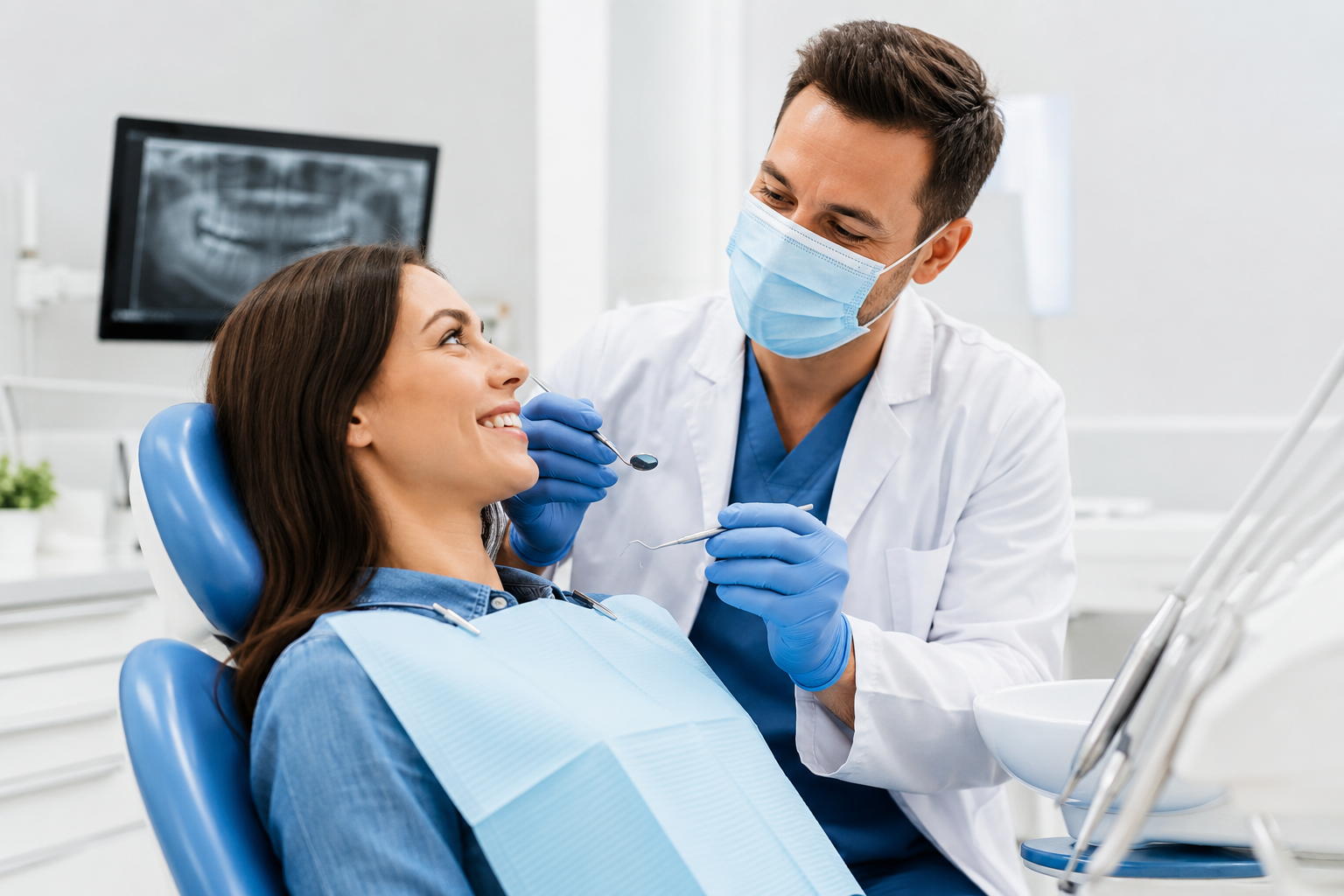
You can get clear, practical answers to common dental concerns during a general dentistry consultation in San Jose, CA, and know exactly what steps to take next. A good consultation will tell you the state of your oral health, outline preventive or corrective options, and give a simple plan that fits your needs and budget.
They will explain what happens during your first visit, point out which questions to ask about treatments and payment, and show how modern technology can improve comfort and results. This article guides you through what to expect, which questions matter most, and how to find a dental team that supports long-term care and calm, confident visits.
What to Expect During Your First Dentist Visit
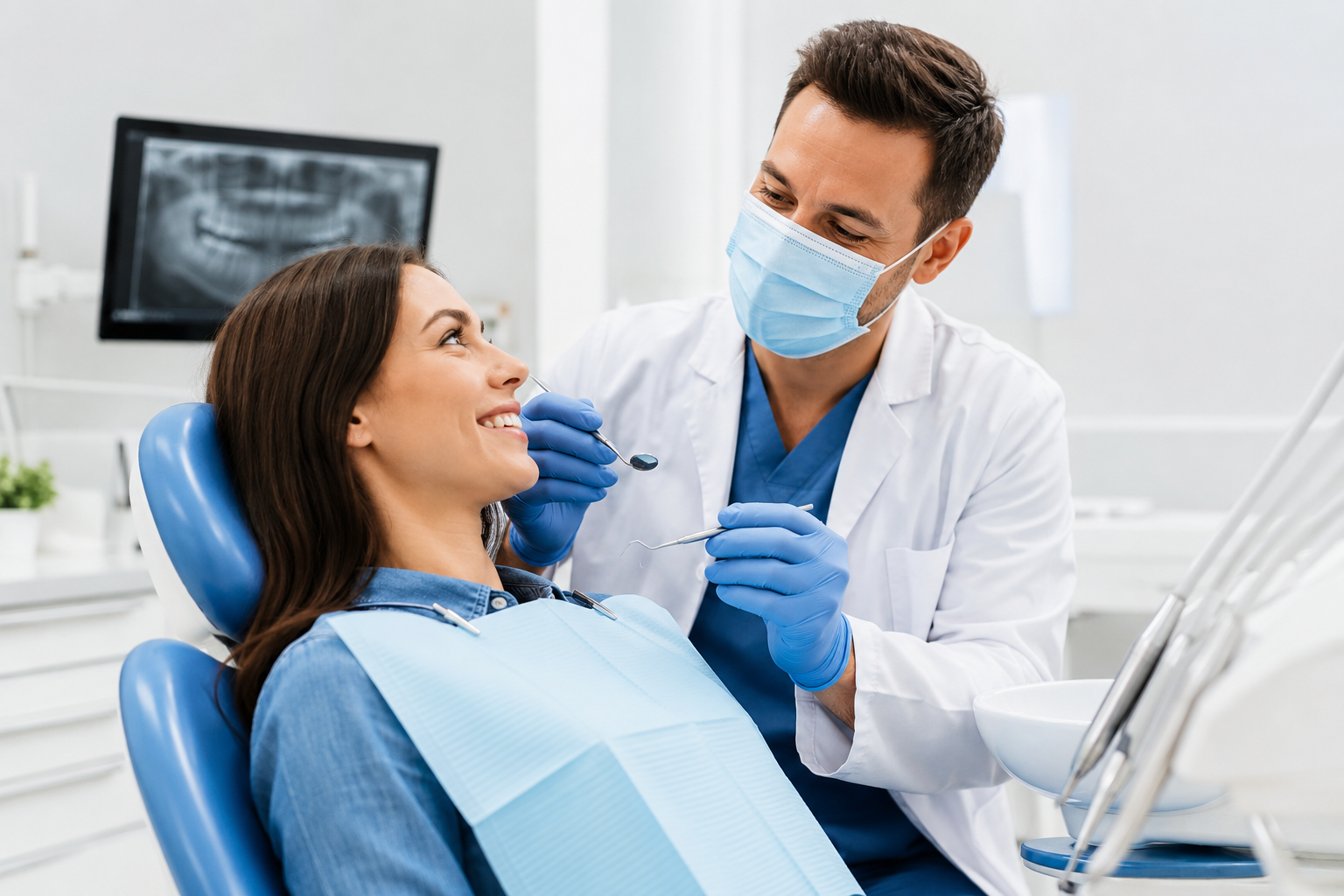
Patients can expect a friendly, structured visit that starts with health questions, moves to a focused oral exam, and often includes X-rays or photos to document current needs. The team will explain findings and recommend next steps, prioritizing comfort and prevention.
Overview of the Consultation Process
The consultation usually begins at the front desk with registration and insurance verification. A dental assistant or hygienist then escorts the patient to the operatory to collect vital signs and update medical information.
Next, the clinician reviews treatment goals and any symptoms the patient mentions, such as sensitivity, pain, or cosmetic concerns. The visit commonly includes bitewing X-rays for adults, or a full mouth series if there are extensive concerns; digital radiographs are faster and expose patients to less radiation.
Time allotment typically runs 45–60 minutes for a comprehensive new-patient consult. The dentist outlines findings, prioritizes urgent issues (like cavities or infection), and discusses a phased treatment plan with cost estimates and scheduling options.
Initial Health and Dental History Review
The clinician asks about systemic health conditions—diabetes, heart disease, pregnancy—that affect dental care and healing. Patients should report current medications, supplements, and any allergies to local anesthetics or latex.
Dental history questions cover past procedures, frequency of dental visits, home care habits, and tobacco or vaping use. Specific symptoms such as bleeding gums, loose teeth, chronic bad breath, or recent trauma get documented to guide the exam.
If the patient has prior dental records or recent X-rays, the office will request them to avoid unnecessary repeats. Based on health and history, the team may adjust treatment priorities, refer for medical clearance, or recommend antibiotic prophylaxis when indicated.
Examination of Teeth and Gums
The dentist performs a systematic visual and tactile exam of teeth, restorations, gum tissue, and oral soft tissues. They check for decay, failing fillings, cracks, gum recession, pocket depths, and signs of periodontal inflammation.
Probing measures and periodontal charting may be recorded, especially if bleeding or deep pockets are present. The clinician inspects the bite (occlusion), TMJ function, and evaluates adjacent structures like the tongue, cheeks, floor of mouth, and palate for lesions.
If indicated, the dentist will take intraoral photos and targeted or panoramic X-rays to identify hidden decay, bone loss, impacted teeth, or pathology. Findings are explained in plain language, and the dentist outlines immediate needs (urgent infection, root canal, extractions) versus elective or preventive care.
Important Questions to Ask Your Dentist
Patients should pinpoint current problems, expected outcomes, costs, and recovery before any treatment. Clear questions about diagnosis, alternatives, and timelines help them make confident decisions.
Understanding Your Oral Health Status
Ask for a plain-language summary of the exam findings: which teeth or gums are healthy, which show decay or recession, and any signs of infection or bone loss. Request specific tests or images used — digital X-rays, intraoral photos, or periodontal charting — and ask what each result means for daily care.
Clarify the cause of any problem: is sensitivity from enamel wear, a cracked tooth, or gum disease? Ask how urgent each issue is and whether it can be monitored or needs immediate treatment. Request written notes or a printed chart to review later and share with family.
Ask how oral health interacts with overall health, such as diabetes, pregnancy, or medications that affect bleeding or dry mouth. Confirm recommended home care steps and frequency — toothbrush type, flossing method, and any prescription toothpaste or rinse — with clear reasons for each.
Treatment Options for Common Issues
For cavities and broken teeth, ask for tooth-colored filling versus crown options, materials used, longevity, and expected costs. Ask whether same-day crowns (CAD/CAM) are appropriate and what to expect during the procedure and recovery.
When discussing gum disease, ask about non-surgical options like scaling and root planing, plus adjuncts such as localized antibiotics or laser therapy. If surgery is suggested, ask about graft types, success rates, pain management, and healing timeline.
For missing teeth, ask about bridges, removable partials, and implant-supported crowns. Request comparisons of treatment time, maintenance needs, long-term costs, and how each option affects adjacent teeth and bone health.
Use a short checklist to bring to appointments:
- Current symptoms and how long they’ve occurred
- Medications and medical conditions
- Insurance questions and payment options
- Preference for conservative versus definitive treatments
Encourage asking the dentist for written estimates, alternative plans, and the next steps if the patient wants a second opinion.
Discussing Preventive Care and Maintenance
Preventive care focuses on daily habits, professional cleanings, and risk-reduction strategies to avoid decay, gum disease, and tooth loss. Regular, specific actions at home combined with targeted dental visits produce the best long-term outcomes.
Best Practices for At-Home Oral Hygiene
Patients should brush twice daily for two minutes using a soft-bristled brush and fluoride toothpaste. Angle the brush 45 degrees toward the gumline and use gentle circular strokes; avoid hard scrubbing that can wear enamel and recede gums.
Flossing once daily removes plaque between teeth that brushing misses. Use about 18 inches of floss, wrap it around the middle fingers, and curve it in a C-shape against each tooth surface. Alternatives like interdental brushes or floss picks suit tight spaces or limited dexterity.
Rinsing with an ADA-accepted fluoride mouthwash after brushing can strengthen enamel and lower decay risk. Replace toothbrushes every 3 months or after illness. Maintain good diet habits: limit sugary snacks and acidic drinks, and drink water after meals to reduce acid exposure.
Personalized Recommendations Based on Your Needs
Dental professionals assess risk factors—medical history, medication use, tobacco, orthodontics, and past cavities—to tailor prevention. For example, patients with dry mouth due to medications may need prescription fluoride varnish and saliva substitutes to prevent rapid decay.
Those with gum disease history benefit from more frequent cleanings (every 3–4 months) and focused home care like chlorhexidine rinses short-term. Patients with braces or implants receive special tools—proxabrushes, water flossers, and interdental picks—to clean around hardware effectively.
Dentists may recommend sealants for children and adults with deep grooves, or custom fluoride trays for high-risk patients. They schedule follow-ups and set measurable goals—bleeding reduction, plaque score improvement, fewer cavities—to track progress and adjust the plan.
Exploring Modern Dental Technologies in San Jose
San Jose practices use precise tools that shorten appointments, reduce guesswork, and improve treatment outcomes. Patients can expect digital diagnostics and comfort-focused devices that target accuracy and a gentler experience.
Digital Imaging and Diagnostic Tools
Clinics in San Jose commonly use intraoral scanners, cone-beam computed tomography (CBCT), and digital X-rays. Intraoral scanners create accurate 3D models in minutes, eliminating messy impressions and speeding lab work for crowns and aligners. CBCT provides detailed views of bone structure and nerve pathways, which helps when planning implants, extractions, or complex endodontic cases.
Digital X-rays cut radiation exposure by up to 80% compared with film and deliver instant images for faster diagnosis. Many offices pair these images with practice management software to store records and show patients clear, side-by-side comparisons over time. This combination improves treatment planning and helps patients understand recommended procedures.
Comfort-Focused Treatment Advances
San Jose dentists often prioritize patient comfort through sedation options, ergonomic treatment chairs, and noise-reduction equipment. Nitrous oxide and oral conscious sedation allow anxious patients to remain relaxed while still responsive, and many practices tailor sedation levels based on medical history and procedure complexity.
Minimally invasive instruments—such as ultrasonic scalers and laser-assisted tools—reduce bleeding, swelling, and recovery time. Local anesthetic delivery systems with computer-controlled flow minimize injection pain. Clinics also emphasize short appointment schedules and fiber-optic lighting to decrease physical discomfort during longer procedures.
Navigating Insurance and Payment Options
Patients should know what their plan covers, what costs they may owe at the visit, and what payment or financing choices exist to avoid surprises. Clear, upfront information speeds treatment decisions and reduces stress.
Verifying Coverage and Out-of-Pocket Costs
The dental office typically verifies insurance benefits before the appointment. Staff will check plan details such as deductible status, annual maximums, waiting periods, and frequency limits for cleanings or X-rays.
Ask for a written estimate called a “pre-treatment estimate” or “predetermination” for any treatment over $200. That estimate shows the insurer’s expected payment and the patient’s estimated responsibility. Bring ID, insurance card, and employer info to speed verification.
Confirm whether the practice is in-network or out-of-network. In-network means lower contracted fees; out-of-network may lead to higher out-of-pocket costs or claim submission by the patient. Ask if lab fees (for crowns/bridges) or specialty referrals carry separate charges.
Verify coverage for emergencies, urgent care, and follow-up visits. If an estimate shows large patient responsibility, request a breakdown of costs—exam, X-rays, anesthesia, materials—so patients can compare options or prioritize care.
Flexible Payment Plans and Financing
Many offices offer in-house payment plans that split bills into 3–12 monthly payments with no interest or low administration fees. Terms vary; ask for the exact monthly amount, number of payments, and any late fees.
Third-party financing (CareCredit, Proceed Finance) provides longer-term options up to 60 months. Approval depends on credit; patients should compare APR, deferred-interest terms, and total repayment amounts before signing.
Some clinics accept major credit cards and debit cards, and a few allow automatic bank drafts. Ask whether a deposit is required for scheduling, and whether deposits are refundable if treatment needs change.
For uninsured patients, request a bundled “cash-pay” discount or a phased treatment plan to spread procedures over multiple visits. The office should provide a written agreement outlining payment schedule, responsibilities, and contact information for billing questions.
Building a Long-Term Relationship With Your Dental Team
A strong patient–dental team relationship depends on clear communication, consistent preventive care, and trust in treatment planning. Regular interactions and shared decision-making help patients feel comfortable and stay on track with oral health goals.
Open Communication and Ongoing Support
They should expect staff to explain diagnoses, treatment options, and costs in plain language. Patients benefit when the dentist reviews X-rays and photos during the visit, points out areas of concern, and outlines short- and long-term options with pros and cons. Clear instructions for at-home care and written takeaways reduce confusion after the appointment.
Active listening matters. Team members who ask about dental anxiety, prior experiences, medication changes, or sleep and diet habits can tailor care more effectively. When follow-up calls, secure patient portals, or text reminders confirm progress or answer questions, patients feel supported between visits.
They also need transparent financial communication. Presenting estimated costs, insurance coverage details, and payment plan options up front prevents surprises. Clear scheduling policies and contact points for urgent issues build confidence that the practice will respond when problems arise.
Scheduling Regular Checkups and Cleanings
They should schedule checkups every six months or as the dentist recommends based on risk factors like gum disease, dry mouth, or diabetes. These visits include a clinical exam, professional cleaning, and necessary X-rays — all aimed at catching issues early and keeping plaque and tartar under control.
A written recall system ensures patients don’t miss follow-ups. Practices that offer online booking, text reminders, and easy rescheduling accommodate busy schedules and improve attendance. Patients who track appointments and maintain consistent cleanings reduce their risk for cavities and periodontal progression.
Personalized recall intervals work better than a one-size-fits-all approach. For example, a patient with controlled periodontal disease might need three-month cleanings, while someone with low risk may keep a six- to twelve-month cadence. Discussing and documenting the recommended interval helps align expectations and maintain oral health over time.
Addressing Dental Anxiety and Patient Comfort
Many patients in San Jose feel nervous before a dental visit. The clinic acknowledges these feelings and creates a calm, supportive environment to help reduce stress.
Staff greet patients warmly and explain procedures in plain language. Clear steps and expected sensations help people feel more in control and less anxious.
The office offers several comfort options:
- Nitrous oxide for mild sedation.
- Oral sedatives for deeper relaxation on request.
- Noise-cancelling headphones and blankets for sensory comfort.
Providers use modern, minimally invasive techniques to limit pain and recovery time. Local anesthetics and topical gels numb targeted areas quickly and safely.
A brief pre-visit conversation helps tailor the appointment to each person’s needs. They discuss allergies, past traumatic experiences, and preferred signals (like raising a hand) to pause treatment.
Staff follow proven calming practices: they speak slowly, maintain eye contact, and check in often. This steady communication builds trust and makes treatments more predictable.
Patients can request a tour or meet the dentist before treatment to become familiar with the space. Those with high anxiety may be referred for sedation dentistry or a longer first appointment to establish comfort.
Call or message the San Jose office to discuss comfort needs and sedation options. The team will help schedule a consultation and answer any questions before the visit.
Next Steps for New Patients in San Jose
Patients should call or use online booking to schedule an initial consultation. Reception staff will confirm insurance details, estimated costs, and available appointment times.
They should complete new-patient forms before the visit. This saves time and lets the dentist review medical history and current concerns ahead of the exam.
On the day of the appointment, arrive 10–15 minutes early to handle paperwork and insurance checks. Bring ID, insurance card, and a list of medications or recent dental records if available.
During the consultation, the dentist will perform an exam and take X-rays if needed. They will explain findings in plain language, show images when helpful, and outline treatment options with expected timelines.
New patients can expect a personalized care plan that emphasizes comfort and prevention. Treatment priorities will consider oral health goals, budget, and any anxiety or special needs.
Questions to ask at the visit:
- What does my treatment timeline look like?
- Which options are preventive versus restorative?
- Are there pain-management options or sedation if needed?
Follow-up steps usually include scheduling cleanings, finishing recommended treatments, or referrals to specialists. Patients are encouraged to call with questions and to confirm upcoming appointments.
They should keep contact information handy and sign up for reminders if available. Doing so helps maintain continuity of care and makes follow-up easy.
Frequently Asked Questions
This section answers common concerns about initial visits, costs, insurance, comfort measures, treatment decisions, and routine care. It gives specific steps patients can expect, typical price ranges, insurance workflow, sedation options, decision criteria for restorations, and recommended recall intervals.
What happens during a first dental consultation, and how should I prepare?
A clinician reviews medical history and current medications, asks about dental symptoms, and performs an oral exam including soft tissues and bite. They take necessary X-rays or an intraoral scan to identify cavities, bone levels, or hidden infections.
Patients should bring a list of medications, recent dental records if available, and their insurance card. Arrive 10–15 minutes early to complete forms and update medical information.
How much does a dental consultation typically cost, and what factors can affect the price?
A basic consultation in San Jose commonly ranges from $50 to $150 for a new patient exam with X-rays. Costs increase if panoramic X-rays, CBCT scans, or emergency exams are required.
Factors that raise price include advanced imaging, periodontal assessment, specialist referrals, and same-day treatment. Individual clinic overhead, dentist experience, and whether insurance covers parts of the visit also affect the final bill.
Do you accept my dental insurance, and can you give me an estimate before any treatment starts?
Most general dentistry offices in San Jose accept major PPO plans; HMO or DMO plans may require referrals and limit providers. The front desk typically verifies benefits ahead of the appointment and explains coverage limits.
Clinics routinely provide an itemized pre-treatment estimate showing insurer payments and patient responsibility. Patients should ask for an estimate in writing and confirm prior authorization for major procedures when applicable.
If I have dental anxiety, what comfort options do you offer to help me feel at ease?
Practices commonly offer local anesthesia with topical numbing, nitrous oxide (laughing gas), oral sedatives, and monitored IV sedation for higher anxiety or longer procedures. Staff often use noise-cancelling headphones, blankets, and stepwise explanations to reduce stress.
A pre-visit consultation to discuss fears and a short test of mild sedation can help patients decide on comfort options. Many clinics also schedule longer appointment times to avoid rushing and to allow breaks.
How do you decide whether I need a filling, crown, or root canal—and will you explain all my options clearly?
The dentist evaluates extent of decay, remaining tooth structure, symptoms, and X-ray findings. Small decay with intact structure usually receives a filling; extensive loss or fracture often needs a crown; persistent pain or infection reaching the pulp typically requires root canal therapy.
Clinicians explain pros and cons, estimated lifespan of each option, costs, and alternatives such as extraction and implant placement. Patients should expect a clear recommendation plus a written treatment plan with timelines and cost estimates.
How often should I come in for cleanings and checkups to prevent bigger problems down the road?
Most patients benefit from dental exams and cleanings every six months to monitor decay, gum health, and oral cancer signs. People with active gum disease, heavy plaque, or certain medical conditions may need visits every 3–4 months.
The dentist tailors recall intervals based on periodontal measurements, caries risk, oral hygiene, and medical history. They provide personalized reminders and home-care tips to maintain results between appointments.
 Location
 Appointment
 Phone
Phone