

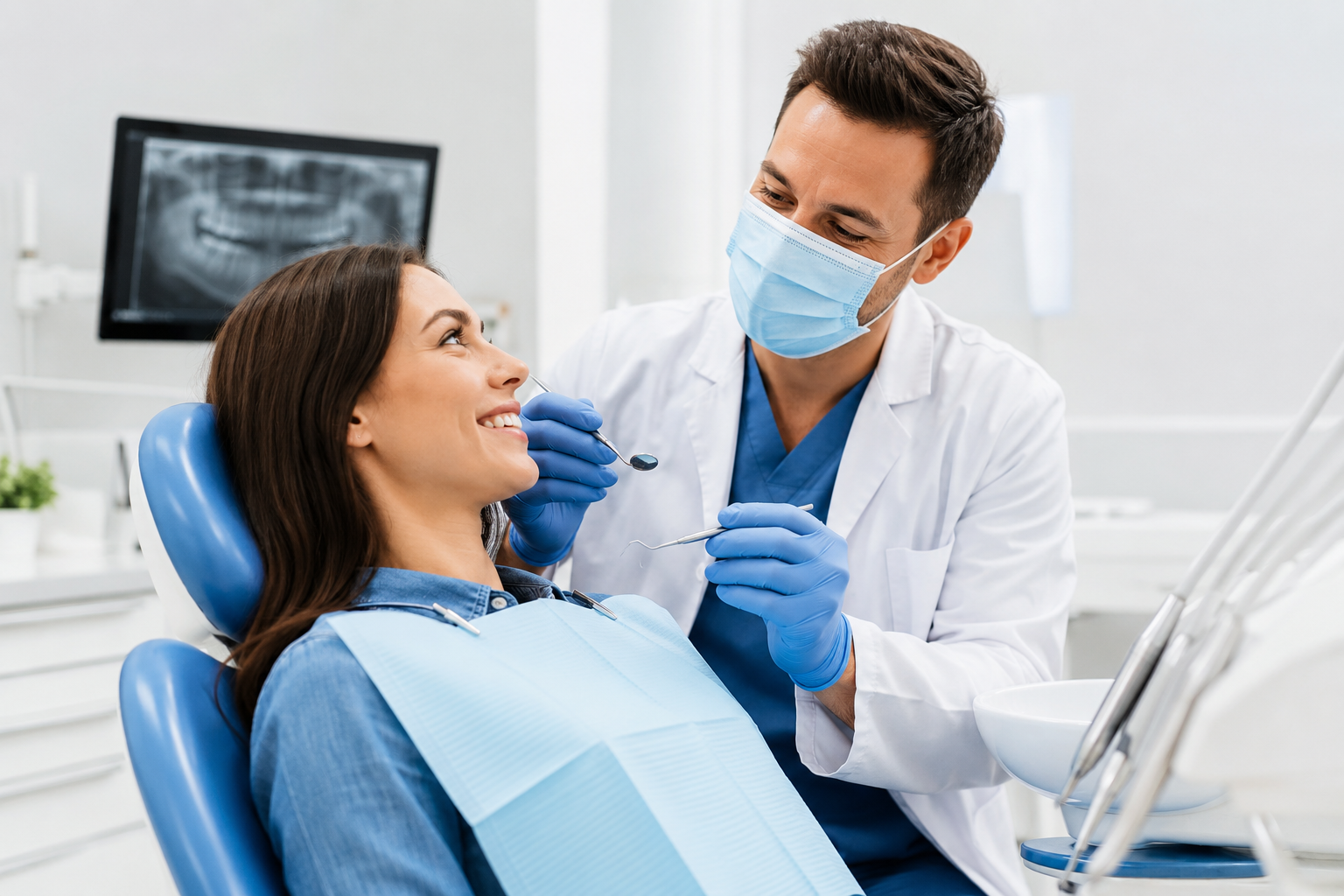
If you’re looking for a straightforward picture of general dentistry costs in San Jose, this article maps typical price ranges and what affects them so you can plan confidently. Expect basic cleanings and exams to run low to mid-range, fillings and simple extractions at moderate cost, and crowns or root canals toward the higher end — with exact prices shaped by materials, provider experience, and clinic location.
The piece explains how insurance, payment plans, and in-office financing can lower your out‑of‑pocket burden and highlights practical tips for keeping care affordable without sacrificing quality. It also guides what to expect on your first visit and how to weigh cost against value when choosing a local dentist.
Understanding General Dentistry in San Jose
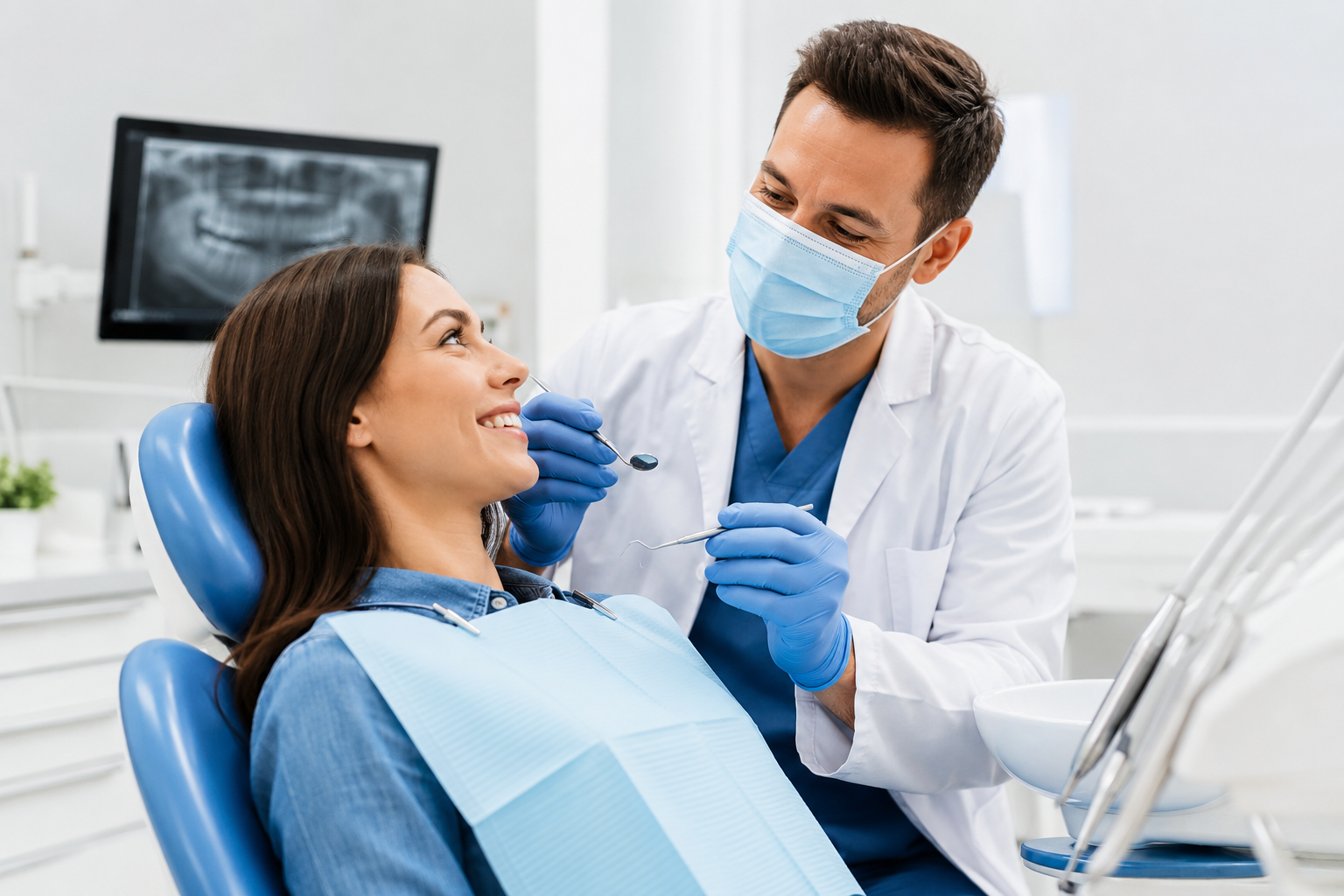
San Jose clinics provide routine cleanings, exams, fillings, crowns, and preventive guidance. Patients can expect a mix of preventive and restorative care, with prices influenced by materials, office location, and whether they use dental insurance.
Common Preventive Treatments
Cleanings and exams form the backbone of preventive dentistry in San Jose. A typical adult prophylaxis (routine cleaning) removes plaque and tartar and usually includes an oral exam; many practices charge $100–$200 without insurance. Dental X‑rays — bitewings or a full-mouth series — add $20–$250 depending on type and whether digital imaging is used.
Sealants and fluoride varnish help protect children and at‑risk adults. Sealants cost about $30–$60 per tooth in many offices. Fluoride treatments are often bundled with cleanings for $20–$50 when offered as an add‑on.
Patient education and home-care plans reduce future costs. Personalized brushing and flossing instruction may be part of the visit at no extra fee or included in a preventive package. Many San Jose practices emphasize scheduling regular 6‑month visits to catch issues early and limit more expensive treatments later.
Popular Restorative Services
Restorative care commonly includes fillings, crowns, root canals, and extractions. Composite (tooth‑colored) fillings typically run $150–$350 per surface, while amalgam fillings are less common but cheaper. Costs vary by tooth location and number of surfaces involved.
Crowns restore heavily damaged teeth; porcelain-fused-to-metal crowns often cost $900–$1,500, and all‑ceramic crowns range $1,000–$2,200 in private San Jose offices. Root canal therapy averages $700–$1,200 for a single‑root tooth and more for multi‑root molars. Extractions span $150 for simple removals to $500+ for surgical extractions.
Materials, lab fees, and the dentist’s experience affect price. Some offices offer in‑house milling (same‑day crowns) that increase convenience but may add to cost. Payment plans and in‑office financing are common options to spread restorative expenses.
Role of Preventive Care in Cost
Regular preventive visits directly lower the need for expensive restorative work. Patients who keep 6‑month cleanings and X‑rays tend to detect cavities, gum disease, and bite issues earlier, which usually requires simpler, less costly treatments.
Insurance often covers most preventive services with little or no copay, making early care financially sensible. Out‑of‑pocket savings can be significant: treating a small cavity with a filling is typically far cheaper than a later root canal and crown.
Preventive investment also limits long‑term risks like tooth loss and complex prosthetic needs. San Jose practices frequently offer membership plans for uninsured patients that bundle preventive care at reduced annual rates, helping predict and manage yearly dental expenses.
Typical Cost Ranges for Dental Procedures
Costs vary by procedure complexity, materials used, and whether the patient has dental insurance. Local factors in San Jose—rent, labor, and lab fees—also influence prices, so quoted ranges reflect what many practices charge in the area.
Teeth Cleanings and Exams
Routine prophylaxis (cleaning) with a standard oral exam typically ranges from $90 to $200 for an adult in San Jose without insurance. A child’s cleaning often costs less, commonly $60 to $120, depending on age and cooperation.
For periodontal maintenance or deep cleaning (scaling and root planing) the price per quadrant usually runs $100 to $300, so a full-mouth course can total $400 to $1,200. Diagnostic X-rays add $20–$250 depending on type: a single periapical is low-cost, while a full-mouth series or panoramic image is at the higher end.
Many practices offer hygiene plans or bundled preventive packages that lower out-of-pocket costs. Insurance typically covers two cleanings per year at 80–100% after deductible for preventive care, but coverage for periodontal therapy varies.
Dental Fillings
Direct composite (tooth-colored) fillings in San Jose generally cost $150 to $450 per tooth for an average-sized cavity. Smaller occlusal fillings sit at the low end; larger multi-surface restorations push toward the high end.
Amalgam (silver) fillings are cheaper—often $100 to $250—but many offices prefer composites for esthetics. Costs rise if the dentist needs to remove old material, place a core build-up, or use advanced isolation like a rubber dam.
Insurance commonly covers fillings at 50–80% after deductible for restorative benefits. Patients with sensitivity to cold or who grind teeth may need a custom approach, which can increase chair time and cost.
Crowns and Bridges
A single crown in San Jose typically ranges from $900 to $2,000. Materials influence price: full ceramic or zirconia crowns are at the higher end, while porcelain-fused-to-metal falls in the mid-range.
A traditional 3-unit bridge to replace one missing tooth commonly costs $2,000 to $5,500, depending on abutment preparation complexity and choice of materials. Additional expenses include temporary crowns ($75–$200) and lab fees if custom shading or high-strength ceramics are requested.
Implant-supported crowns differ: the crown alone may cost $1,200 to $2,500, but an implant fixture and surgery add $1,800 to $4,500 or more per site. Many practices provide financing or phased treatment plans to spread payments. Insurance often covers part of the prosthetic crown or bridge at 50% after deductible, but excludes implants in many policies.
Insurance and Payment Options
Patients often balance coverage limits, network rules, and out-of-pocket estimates when planning dental care. Understanding common insurance terms, available payment plans, and local savings programs helps predict final costs and avoid surprises.
Dental Insurance Coverage Factors
Dental benefits in San Jose typically use annual maximums, deductibles, and percentage-based coverage for procedures. Preventive care like cleanings and exams is usually covered at 80–100%, while fillings, root canals, and crowns often fall into 50–80% coverage tiers after meeting a deductible. Major treatments may require waiting periods of 6–12 months if a policy is new.
Networks matter: in-network dentists usually accept negotiated fees, lowering patient responsibility. Out-of-network care can mean higher bills and separate balance billing. Patients should verify remaining annual maximums, deductibles, frequency limits (e.g., two cleanings per year), and preauthorization needs before scheduling major work.
Many employers offer dual-plan options (employee + spouse). Coordination of benefits can change patient portions, so confirming which plan pays first avoids billing confusion. Keep copies of Explanation of Benefits (EOBs) to reconcile charges with the dental office.
Flexible Payment Plans
Many San Jose dental offices offer in-house financing and third-party plans to spread costs over months. Typical in-house plans split balances into 3–12 equal payments with no interest or small administrative fees. Third-party providers like CareCredit and LendingClub provide 6–24 month options; promotional 0% APR plans often require on-time payments to avoid deferred interest.
Patients should compare total cost, monthly payment, and penalties for late payments. Offices may require a down payment for crowns, implants, or orthodontics. For predictable work, request a written payment schedule and get any promotional terms in writing.
Tax-advantaged accounts such as HSAs and FSAs can pay eligible dental expenses; check plan rules for eligible procedures and use-by dates. Combining an FSA/HSA with a short-term payment plan can reduce immediate out-of-pocket burden.
Discounts and Savings Programs
Discount dental plans and membership plans act like prepaid programs rather than insurance and can cut fees 10–60% for routine and some restorative care. Local San Jose practices sometimes run membership clubs charging an annual fee ($150–$350) for free cleanings and discounts on other services. These work best for uninsured patients with regular preventive needs.
Nonprofit clinics and dental schools offer reduced-cost services for low-income patients, often at sliding-scale rates based on income. Check eligibility requirements and longer wait times. Some practices run seasonal promotions for new patients or on cosmetic services; ask for written fee schedules and promotion expiration dates.
Patients should always request a written estimate that separates provider fees, lab fees, and third-party costs. Comparing discounted plan savings against expected procedure needs clarifies whether a program or traditional insurance provides better value.
Key Factors Influencing Prices Locally
Several concrete factors drive what patients pay in San Jose: clinic neighborhood and rent, the dentist’s training and specialties, and the materials and technology used during treatment. Each factor affects both the upfront fee and long-term value of care.
Location and Clinic Type
San Jose’s commercial rent and neighborhood demographics directly affect dental fees. Clinics in downtown or Willow Glen pay higher rent and often pass costs to patients through higher exam and cleaning fees. Suburban locations like Almaden or Cambrian may offer modestly lower prices due to reduced overhead.
Clinic type matters: a private specialty practice (periodontics, endodontics) typically charges more than a general dentist for the same procedure because of focused expertise and equipment. Community clinics and dental schools often provide lower-cost care, but appointment availability and continuity of care can differ. Patients should compare fee schedules and ask about hidden costs such as X-rays, anesthesia, or follow-up visits.
Dentist Experience and Credentials
A dentist’s years in practice and advanced credentials influence pricing and outcomes. Dentists who completed residency programs, board certifications, or continuing education in implants or cosmetic dentistry commonly charge premium rates for complex procedures. Those with a long-established local reputation may also command higher fees based on proven results.
Experience often reduces complication rates and appointment time, which can offset higher initial costs. Newer dentists may offer promotional pricing or discounted first visits to build a patient base. Patients should look for clear credential listings, patient reviews, and before-and-after photos when evaluating whether a higher fee aligns with expected quality.
Materials and Technology Used
Material choices and in-office technology change both cost and longevity of treatment. Porcelain crowns, zirconia restorations, and CAD/CAM same-day crowns cost more than metal or acrylic alternatives but typically last longer and match natural teeth better. Dental implants using premium titanium or ceramic components also raise procedure costs.
Investment in technology—digital X-rays, cone beam CT, intraoral scanners, and laser dentistry—adds to fees but improves diagnostic accuracy and patient comfort. Ask clinics which materials and devices are included in quoted prices and whether lower-cost alternatives exist. Transparent breakdowns for labs, implant fixtures, and single-visit restorations help patients compare value rather than just sticker price.
Comparing Costs With Value and Quality
This section explains how investing in the right dental care can save money and improve outcomes. It highlights long-term savings from early treatment, how to spot hidden fees, and why patient comfort and service matter for overall value.
Long-Term Benefits of Early Treatment
Early treatment often costs less than delayed care because problems are smaller and simpler to fix. For example, treating a small cavity with a simple composite filling in San Jose typically runs $150–$300, while a delayed infection might require a root canal ($900–$1,500) or extraction plus implant ($3,000–$6,000).
Preventive services such as cleanings ($75–$200) and sealants ($30–$60 per tooth) reduce decay risk and keep restoration chains from starting. Investing in routine care also preserves natural tooth structure, which is cheaper and functionally better than replacement prosthetics.
Insurance copays and in-network discounts often make early visits more affordable. Many San Jose practices offer payment plans or membership plans that lower the upfront cost of preventive care, turning a small annual investment into substantial long-term savings.
Avoiding Hidden Fees
Hidden fees can dramatically raise final costs if patients do not ask upfront. Common surprises include diagnostic imaging charges (CBCT or panoramic X-rays: $75–$350), lab fees for crowns/bridges ($200–$700), and anesthesia or sedation fees ($100–$400 per visit).
Request a written, itemized estimate before any non-emergency treatment. Ask specifically about lab fees, follow-up visits, warranty policies on restorations, and additional imaging needs.
Verify what your insurance covers and whether the practice files claims electronically. Confirm whether the quoted price assumes elective choices like premium materials (e.g., zirconia crowns) or higher-cost technicians, and compare alternative materials and providers to control costs.
Patient Comfort and Service Experience
Comfort and service quality affect perceived value and treatment success. Practices that invest in patient-centered care — like experienced clinicians, modern sterilization, digital workflows, and sedation options — often charge more but reduce anxiety and appointment time.
Look for specific indicators: same-day crown technology (CAD/CAM), in-house labs that shorten turnaround, and documented infection-control protocols. Read recent patient reviews that mention chairside manner, wait times, and follow-up care to gauge real-world experience.
Ask about warranties or guarantees on restorative work and what their emergency/after-hours policy is. Paying a bit more for reliable follow-up and predictable outcomes can lower future expenses and improve dental health.
Tips for Managing Your Dental Budget
Manage costs by focusing on the most impactful choices: prioritize urgent or pain-causing issues, invest in preventive visits and simple restorations to avoid expensive procedures later, and schedule planned treatments to fit cash flow or financing. Know typical local prices, insurance details, and available payment options to make confident decisions.
Prioritizing Care Needs
They should address pain, infection, and functional problems first. Treating an abscess, uncontrolled bleeding, or a broken tooth that affects chewing prevents emergency visits and more complex surgery later. Ask the dental office for a written treatment plan that lists urgency, estimated cost, and timelines so decisions rest on facts, not stress.
Patients can ask the dentist to rank procedures as “urgent,” “recommended,” or “optional.” This ranking helps split care into immediate and deferrable items. If multiple issues exist, consider staging treatments by clinical risk and financial impact.
Request cost estimates for alternatives — for example, root canal plus crown versus extraction and implant — and compare long-term outcomes and expenses. Choose the option that balances oral health preservation with affordability.
Choosing Preventive Care
Preventive visits reduce the chance of costly restorations later. Routine exams and cleanings every six months typically range lower in cost than restorative work and can detect early decay or gum disease when treatment is simpler and cheaper. Fluoride varnish or sealants add small, targeted expense but often prevent larger problems.
They should enroll in an in-office or community preventive program if affordability is a concern. Many San Jose clinics offer discounted hygiene plans or bundled exam/cleaning packages; ask the front desk for current pricing. Patients with dental insurance should verify preventive coverage first, since many plans cover exams and cleanings at 100%.
Adopt home care practices that deliver measurable savings: twice-daily fluoride toothpaste, interdental cleaning, and a soft-bristled brush cut down on plaque-related problems. Small daily investments in supplies typically cost less than a single restorative appointment.
Planning for Future Treatments
Create a written savings plan for predictable treatments like crowns, implants, or orthodontics. Break the total estimate into monthly targets and set up a designated dental savings account or automatic transfer. Even modest monthly deposits make larger procedures manageable without high-interest credit.
Consider financing options with clear terms: in-office payment plans, third-party patient financing, or low-interest medical credit cards. Compare APR, deferment periods, and penalties. Ask if the practice offers sliding scale fees, senior discounts, or multi-procedure discounts when scheduling several treatments at once.
Maintain up-to-date insurance and track annual maximums and waiting periods. If major work spans calendar years, plan treatments to maximize yearly benefits. They should request a pre-treatment insurance estimate so out-of-pocket responsibility is predictable before committing.
What to Expect During Your First Visit
Patients start by completing a brief intake form about medical history and dental concerns. The staff reviews insurance details and explains estimated costs for routine care in San Jose, CA.
A clinical assistant takes vital signs and updates records. A hygienist performs a professional cleaning, removing plaque and polishing teeth while noting areas that need attention.
The dentist conducts a thorough exam with X-rays as needed. They discuss findings in plain language, pointing out cavities, gum health, bite issues, or wear.
Treatment options and costs are reviewed clearly, including preventive care, fillings, or referrals for specialty care. Payment, insurance coverage, and financing options get explained so there are no surprises.
Patients receive a tailored home-care plan with practical tips for brushing and flossing. The team emphasizes prevention and schedules follow-up or restorative appointments when appropriate.
Helpful checklist for the first visit:
- Bring ID and insurance card
- List of medications and any dental concerns
- Wear comfortable clothing and arrive 10–15 minutes early
The staff invites questions and encourages patients to discuss comfort preferences or anxiety. They aim to make the visit calm, informative, and a good first step toward long-term oral health.
Taking the Next Step Toward Dental Wellness
Patients often feel uncertain about costs and treatment choices, and a clear plan reduces anxiety. They can start by scheduling a consult to review needs, insurance, and payment options.
The office usually provides a written estimate and explains what each charge covers. This includes preventive visits, any recommended restorative work, and potential follow-ups.
Insurance can lower out-of-pocket costs but has limits; the practice’s staff will verify benefits and estimate patient responsibility. For those without coverage, clinics often offer payment plans or in-house financing to spread costs.
Prepare for the visit by bringing ID, insurance cards, and a list of current medications. They should also note symptoms, prior dental work, and any budget constraints to discuss realistic options.
Common next steps after consultation:
- Schedule preventive cleaning or X-rays.
- Prioritize necessary restorative care (fillings, crowns) by urgency.
- Discuss cosmetic or elective treatments separately if desired.
Patients benefit from asking about alternatives, expected timelines, and recovery details. The team will outline follow-up visits and provide written care instructions when treatment begins.
To make decisions easier, practices may provide a simple cost comparison:
| Service | Typical Range (San Jose, CA) |
|---|---|
| Cleaning & exam | $100–$250 |
| Filling (per tooth) | $150–$400 |
| Crown | $900–$2,000 |
They are encouraged to call with questions or to arrange a consultation tailored to their needs.
Frequently Asked Questions
This section lists typical San Jose fees for common preventive and restorative services, explains insurance effects, and shows how to estimate out-of-pocket costs before an appointment.
What should I expect to pay for a routine dental exam and cleaning if I don’t have insurance?
A basic exam with prophylaxis in San Jose typically ranges from $100 to $200.
New-patient exams or visits that include oral cancer screening, a periodontal assessment, or fluoride treatment can cost $150–$300.
Additional fees sometimes apply for extended visits, sedation, or specialist exams.
Many practices offer in-office membership plans or promotional discounts that lower the cash-pay cost.
How much do dental X-rays usually add to the total cost of a checkup?
Bitewing X-rays for a routine checkup typically add $20–$60.
A full-mouth series (FMX) or panoramic X-ray can add $75–$200 depending on imaging type and practice.
Digital X-rays generally cost less and expose patients to less radiation than traditional film.
If X-rays are recent and available from another office, many dentists will accept those to avoid repeating them.
What’s the typical price range for a tooth-colored filling, and what factors can make it cost more?
Composite (tooth-colored) fillings in San Jose usually cost $150–$350 per surface.
Larger fillings that cover multiple surfaces often run $300–$600 or more.
Factors that increase cost include tooth location, number of surfaces, need for local anesthesia, and complexity of isolation (e.g., use of a rubber dam).
If decay is deep or close to the pulp, a dentist may recommend additional treatment that raises the overall price.
How do costs change for a filling when I’m using dental insurance like Delta Dental?
With Delta Dental, fillings typically fall into preventive or basic restorative coverage tiers; patient responsibility depends on plan specifics.
After meeting deductibles, copay or coinsurance often ranges from 20% to 50% of the allowed amount for basic restorations.
Annual maximums, waiting periods, and out-of-network limits can increase out-of-pocket costs.
Calling Delta Dental with the CDT code your dentist provides yields the most accurate estimate before treatment.
What’s the difference in cost between a regular cleaning and a deep cleaning (scaling and root planing)?
A routine prophylaxis usually costs $100–$200 in San Jose.
Scaling and root planing (deep cleaning) ranges from $200–$450 per quadrant, so full-mouth treatment can be $800–$1,800.
Deep cleaning costs reflect the time, instrumentation, and possible adjunctive therapies (local antibiotics, more frequent follow-ups).
Insurance often covers a larger portion of routine cleanings than periodontal therapy, so verify coverage details beforehand.
If I have dental insurance, how can I estimate my out-of-pocket cost before scheduling treatment?
Ask the dental office for a pre-treatment estimate using your insurer and the specific CDT codes for the proposed services.
Contact your insurer with those codes, your deductible status, and remaining annual maximum to get a patient-pay estimate.
Confirm whether the dentist is in-network and whether preauthorization is required for major procedures.
This proactive step reduces surprise bills and helps plan appointments around coverage limits or year-end benefits.
 Location
 Appointment
 Phone
Phone