

Introduction
Teeth straightening is no longer limited to teenagers. A growing number of adults are now seeking orthodontic treatment to improve dental alignment, oral health, and overall function. Among the most common options are traditional braces and Invisalign clear aligners. Both methods are widely used in modern orthodontics, including at clinics such as Dullat Cosmetic Dental & Implants, but they differ significantly in design, comfort, appearance, and suitability.
Understanding the differences between Invisalign vs braces is important for adults who want to make an informed decision. While both treatments aim to correct misaligned teeth and bite issues, the right choice depends on individual dental conditions, lifestyle preferences, and treatment expectations.
This article explores how each system works, compares their benefits and limitations, and helps clarify which option may be more suitable for adult patients.
Understanding Adult Teeth Straightening Options
Orthodontic treatment for adults has become increasingly advanced and discreet. Unlike earlier methods that relied mostly on metal appliances, today’s options focus on comfort and aesthetics as well as function.
Adult orthodontic treatment generally addresses issues such as crowding, spacing, overbite, underbite, and crossbite. Since adult jawbones are fully developed, treatment may take slightly longer compared to children, but results are still highly effective. The two most common systems used are traditional braces and clear aligners such as Invisalign.
What Are Traditional Braces?
Braces are fixed orthodontic appliances that use brackets, wires, and elastic bands to gradually move teeth into alignment. They are attached directly to the teeth and adjusted periodically by an orthodontist.
How Braces Work
Braces apply continuous pressure on teeth through a system of wires and brackets. Over time, this pressure gradually shifts teeth into their desired position. Adjustments are typically made every few weeks to guide the movement.
Types of Braces
There are different types of braces used in orthodontics:
- Metal braces, which are the most common and durable
- Ceramic braces, which are less visible due to tooth-colored materials
- Lingual braces, which are placed behind the teeth for a hidden appearance
Braces are often recommended for more complex alignment issues due to their strong and controlled force application.
What Is Invisalign?
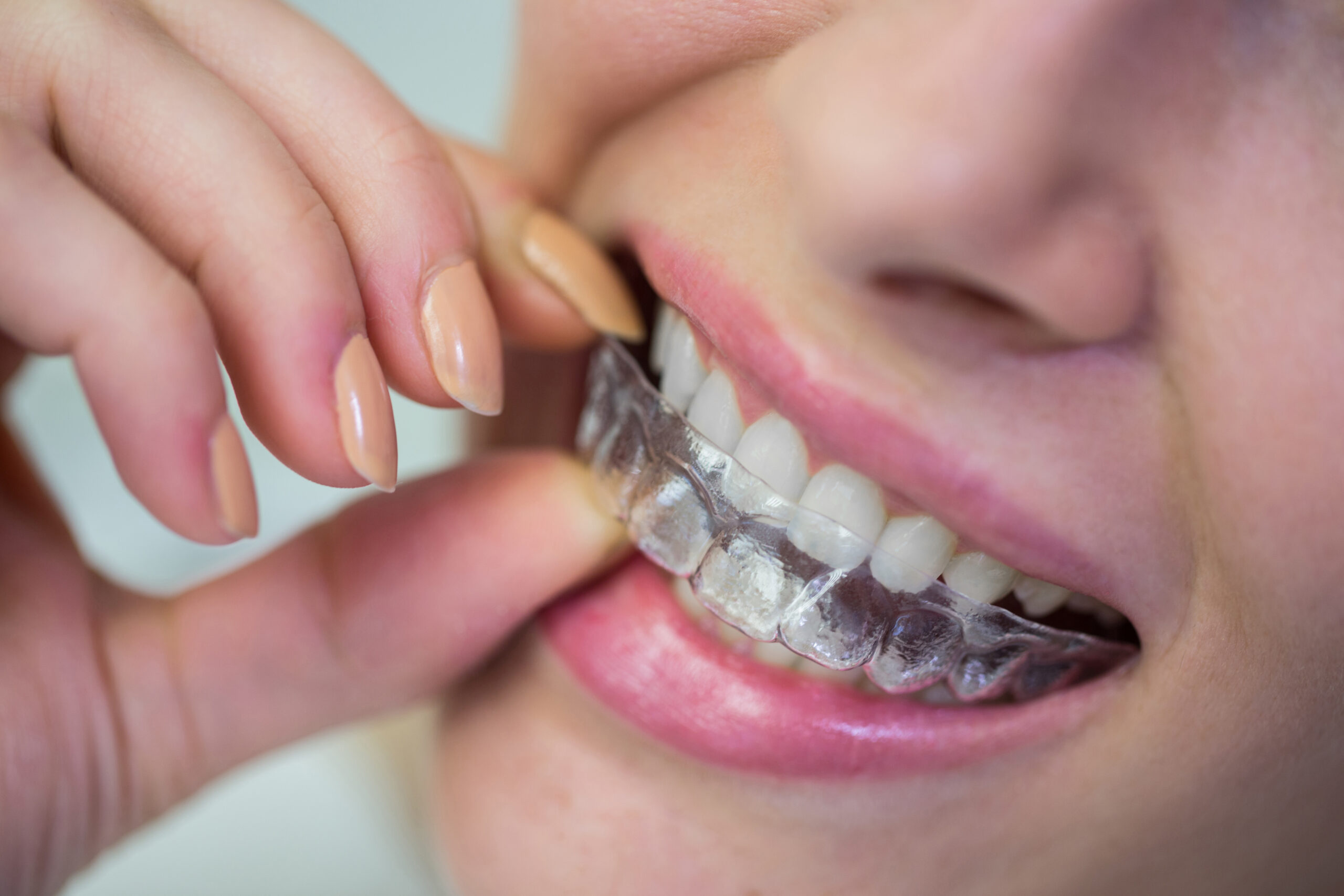
Invisalign is a type of clear aligner system that uses custom-made, removable trays to straighten teeth. Instead of fixed brackets, patients wear a series of transparent aligners that gradually shift teeth into position.
How Invisalign Works
Each set of aligners is worn for about one to two weeks before switching to the next set in the series. The aligners are designed using digital scans and 3D treatment planning software to map tooth movement over time.
Key Features of Invisalign
- Nearly invisible appearance
- Removable for eating and brushing
- Smooth plastic design without wires or brackets
- Custom-fitted to the patient’s teeth
Invisalign is often preferred by adults who want a discreet orthodontic option.
Effectiveness of Invisalign vs Braces
Both Invisalign and braces are effective for straightening teeth, but their suitability depends on the complexity of the dental issue. Braces are generally more effective for severe misalignment, while Invisalign works best for mild to moderate cases when patient compliance is high.
In some complex cases, additional treatments such as Single Tooth Dental Implants may be considered to restore missing teeth alongside orthodontic correction for optimal alignment and function.
Braces for Complex Cases
Braces are often recommended for severe misalignment, significant bite problems, or cases requiring precise tooth rotation. Because they are fixed, they provide consistent pressure and do not rely on patient compliance.
Invisalign for Mild to Moderate Cases
Invisalign is highly effective for mild to moderate alignment issues such as spacing, minor crowding, and small bite corrections. However, complex cases may require additional orthodontic planning or alternative treatments.
Cost Considerations
The cost of orthodontic treatment varies based on complexity, duration, and location. Braces are often slightly more affordable initially, especially metal braces. Invisalign may be more expensive due to digital planning, custom manufacturing, and materials used.
However, long-term costs can also depend on maintenance, follow-up visits, and any additional refinements required during treatment.
Oral Hygiene and Maintenance
Maintaining oral hygiene during orthodontic treatment is essential for preventing cavities and gum issues. Patients must brush and floss carefully around brackets or aligners, use recommended cleaning tools, and attend regular dental check-ups.
Hygiene with Braces
Braces require careful cleaning around brackets and wires. Special tools such as interdental brushes may be needed to remove food particles effectively.
Hygiene with Invisalign
Invisalign aligners can be removed during brushing and flossing, making oral hygiene easier. However, aligners themselves must also be cleaned regularly to avoid bacteria buildup.
Suitability for Adults
Choosing between Invisalign vs braces depends on several factors such as severity of misalignment, oral health condition, aesthetic preferences, budget considerations, treatment duration, and the patient’s ability to maintain consistent oral hygiene practices throughout treatment.
Braces May Be Suitable For:
- Severe crowding or spacing issues
- Complex bite problems
- Patients who prefer a fixed solution
Invisalign May Be Suitable For:
- Mild to moderate alignment issues
- Adults seeking a discreet option
- Individuals who can maintain discipline in wearing aligners
An orthodontic evaluation is necessary to determine the most appropriate treatment plan.
Limitations of Each Option
Braces may cause discomfort, require careful cleaning, and affect appearance, while Invisalign can be less effective for severe cases, depends on patient compliance, and may require frequent replacement of aligners.
Limitations of Braces
- Visible appearance may affect confidence
- Food restrictions required
- Cleaning can be more challenging
- Possible discomfort after adjustments
Limitations of Invisalign
- Not ideal for very complex cases
- Requires strict compliance
- Must be removed during eating and drinking (except water)
- Risk of losing aligners if not stored properly
Conclusion
Both Invisalign and braces are effective orthodontic treatments for adults, but each has its own strengths and limitations. Braces are often preferred for complex dental corrections due to their precision and control, while Invisalign is commonly chosen for its aesthetic appeal and convenience. In some cases, Tooth Extractions may also be recommended by an orthodontist to create enough space for proper alignment before or during treatment.
The decision between Invisalign vs braces should be based on dental condition, lifestyle preferences, and professional orthodontic guidance. A consultation with a qualified orthodontist can help determine the most suitable treatment for long-term oral health and alignment goals.
Frequently Asked Questions
Q1. Which is better for adults, Invisalign or braces?
Both are effective, but braces are better for complex cases, while Invisalign is suitable for mild to moderate alignment issues.
Q2. Is Invisalign faster than braces?
In some mild cases, Invisalign may work faster, but treatment time depends on individual dental conditions.
Q3. Do braces or Invisalign hurt more?
Both may cause mild discomfort initially. Braces can cause irritation from wires, while Invisalign may create pressure during new aligner stages.
Q4. Can I eat normally with Invisalign?
Yes, Invisalign aligners are removable, so you can eat normally after taking them out.
Q5. Are braces more affordable than Invisalign?
Generally, traditional braces may cost less, but pricing depends on case complexity and treatment duration.
Q6. Can Invisalign fix all dental problems?
No, Invisalign is not suitable for all complex orthodontic cases. Some conditions still require traditional braces.
 Location
 Appointment
 Phone
Phone