

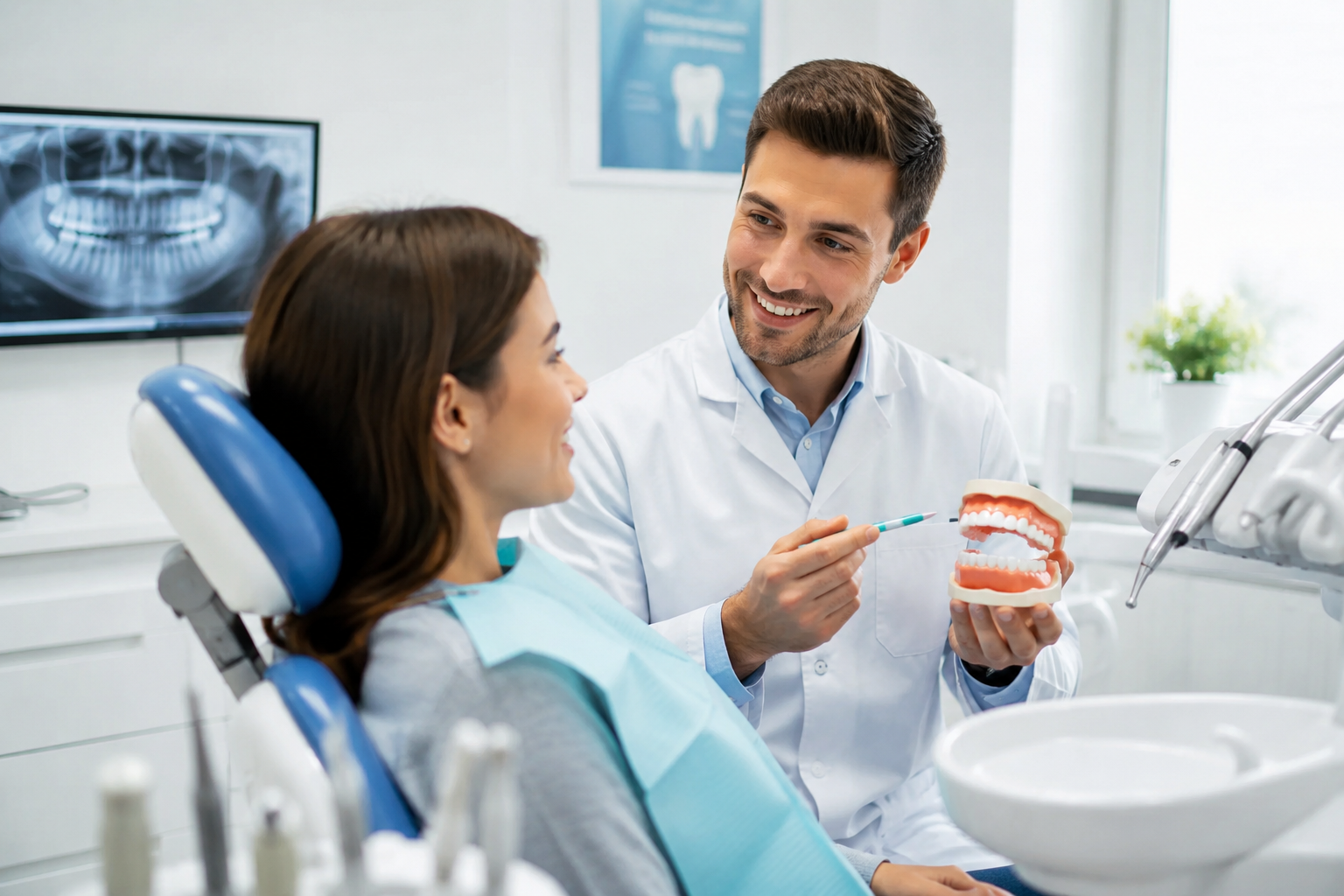
You’ll find practical, local guidance for general dentistry in San Jose that helps you know what to expect, choose the right practice, and keep your smile healthy. This guide gives clear, expert answers about routine care, common treatments, and how modern dental technology and payment options work so you can make confident decisions about your dental health.
They explain typical visit steps, core services like cleanings and fillings, and how practices use digital X‑rays and same‑day restorations to improve comfort and outcomes. They also cover choosing a clinic in San Jose, handling insurance, everyday dental tips for the local climate and lifestyle, and easy next steps to schedule care.
What to Expect During Your Dental Visit
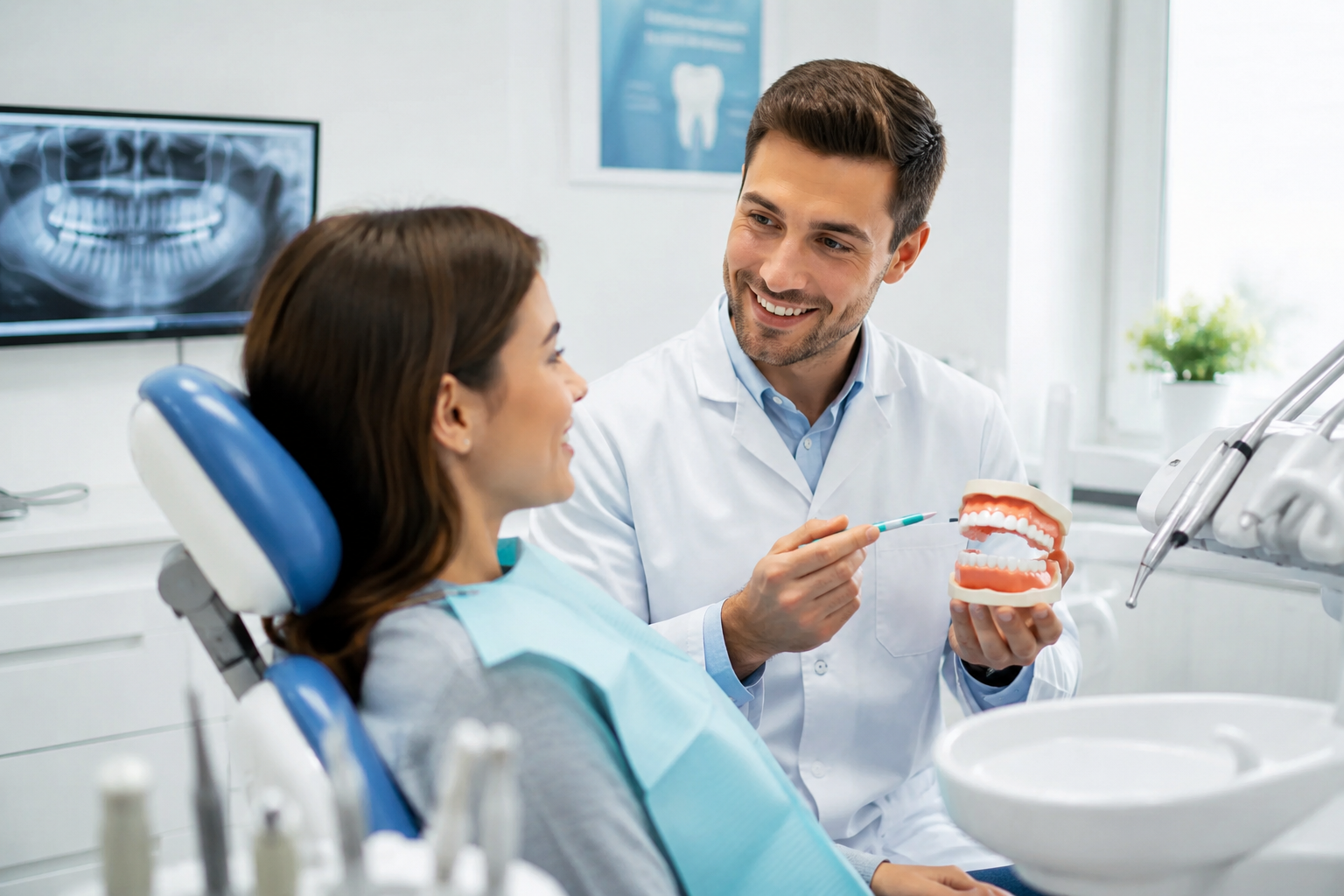
This visit covers a focused oral exam, a professional cleaning, and attention to comfort and anxiety. Patients can expect clear explanations, targeted X-rays if needed, and a personalized plan for any follow-up care.
Initial Oral Examination
The clinician reviews medical history and current medications to identify risks such as bleeding or medication interactions. They inspect lips, tongue, cheeks, gums, and the roof and floor of the mouth, checking for sores, discoloration, or signs of oral cancer.
Digital X-rays may be taken when necessary to reveal decay between teeth and bone level changes not visible to the naked eye. Bite and jaw alignment are evaluated; if symptoms like clicking or jaw pain exist, the clinician will perform a TMJ assessment.
The dentist records periodontal measurements (pocket depths) around each tooth to check for gum disease. Findings are explained in plain language, and immediate treatment options or monitoring plans are offered, with cost and scheduling discussed if work is recommended.
Teeth Cleaning Process
A dental hygienist performs the cleaning, starting with a review of home care and any sensitivity concerns. They use an ultrasonic scaler to remove heavy tartar and an instrument for finer scaling, focusing on areas around previous restorations and below the gumline when needed.
After scaling, the hygienist polishes teeth with a rotating cup and prophylaxis paste to remove surface stains and smooth tooth surfaces. A fluoride treatment or topical varnish may follow to strengthen enamel and reduce sensitivity.
The hygienist provides targeted oral hygiene tips — specific flossing techniques, interdental brush sizes, or a recommended toothpaste for sensitivity. They document plaque and bleeding points and set recall intervals based on disease risk and past treatment.
Patient Comfort and Anxiety Management
Staff ask about pain thresholds and past dental anxiety before any procedure begins. Nitrous oxide (laughing gas), local anesthetic, and short breaks during treatment are commonly offered to control discomfort and reduce stress.
For highly anxious patients, the office discusses sedation options such as oral sedatives or IV sedation with clear pre-visit instructions and medical screening requirements. Noise-cancelling headphones, blankets, and a calm treatment pace help make routine visits more comfortable.
Clear communication during treatment—explaining each step, expected sensations, and what to do if pain arises—keeps patients informed and in control. The practice invites questions and schedules follow-ups promptly when patients prefer a staged approach to care.
Core Services Provided by General Dentists
General dentists in San Jose focus on keeping teeth healthy, preventing problems, and restoring function using conservative, patient-centered care. They combine routine exams, fillings, and fixed restorations with personalized prevention plans and modern materials to maintain oral health and appearance.
Preventive Care and Screenings
Preventive care starts with a detailed exam: visual inspection, digital X-rays, and intraoral photos when needed. Dentists check for cavities, gum disease, tooth wear, oral cancer signs, and issues with restorations or bite.
Professional cleanings remove plaque and tartar above and below the gumline. Hygienists apply fluoride or dental sealants for children and high-risk adults to reduce cavity risk. Screening for periodontal disease includes measuring pocket depths and documenting bleeding points.
Risk assessment drives personalized plans. For example, patients with dry mouth, heavy sugar intake, or orthodontic appliances may get more frequent cleanings and targeted home-care tips. Dentists also advise on tobacco cessation and nutrition that affect oral health.
Tooth-Colored Fillings
Tooth-colored (composite) fillings repair cavities with resin matched to the tooth shade for a natural look. Dentists remove decay, disinfect the cavity, and bond the composite in layers, curing each layer with a light to build strength and contour.
Composites conserve more tooth structure than amalgam because they bond directly to enamel and dentin. They work well for front and back teeth but may need replacement sooner than larger indirect restorations if subjected to heavy chewing forces.
Patients benefit from same-visit treatment and minimal sensitivity when bonding protocols are followed. Dentists discuss alternatives (amalgam, onlays) when a cavity is large or in a high-stress chewing zone, and they explain maintenance tips to prolong the filling’s life.
Crowns and Bridges
Crowns cover and protect teeth weakened by decay, large fillings, or root canal therapy. Dentists prepare the tooth, take digital or physical impressions, and place a custom crown—porcelain, zirconia, or porcelain-fused-to-metal—designed for strength and esthetics.
Bridges replace one or more missing teeth using adjacent crowned teeth or implant abutments as support. Traditional fixed bridges restore chewing function and prevent adjacent teeth from shifting; implant-supported bridges avoid altering natural teeth.
Treatment planning includes evaluating bite, gum health, and neighboring restorations. Dentists explain timelines: same-day CAD/CAM crowns in one visit or conventional crowns requiring temporaries and a lab-fabricated final. They also review care: daily flossing under bridges and regular checkups to monitor margins and fit.
Modern Technologies in Family Dentistry
These technologies improve diagnosis, reduce treatment time, and prioritize patient safety and comfort. They focus on clearer imaging, lower radiation, faster procedures, and stricter infection controls.
Digital X-Rays and Imaging
Digital X-rays use sensors instead of film to capture images immediately on a computer screen, reducing radiation exposure by up to 60–80% compared with traditional film. Dentists can enlarge, adjust contrast, and measure structures precisely, which helps detect cavities between teeth, early bone loss, and root problems sooner.
Cone Beam Computed Tomography (CBCT) provides 3D views for complex cases like implant planning, impacted teeth, and evaluating jaw anatomy. CBCT scans remain targeted to the area of interest to limit dose while delivering spatial detail that 2D X-rays cannot.
Intraoral cameras give patients a close-up view of cracks, restorations, and soft-tissue issues. Those images can be saved in the chart, compared over time, and used to explain treatment options clearly. Many practices integrate these images into secure electronic records for faster, coordinated care.
Advanced Sterilization Methods
Sterilization in modern family practices follows CDC guidelines and uses a combination of manual cleaning, ultrasonic cleaners, chemical indicators, and autoclaves. Autoclaves employ pressurized steam at validated temperatures and cycle logs to confirm instruments reach sterilization parameters for spores and pathogens.
Single-use disposable items reduce cross-contamination risk for high-touch consumables like suction tips, prophy angles, and barriers. For reusable instruments, dentists use sealed packaging and instrument tracking systems that document sterilization date and operator, improving accountability and traceability.
Environmental controls include high-efficiency particulate air (HEPA) filtration and high-volume evacuation during aerosol-generating procedures to lower airborne particles. Staff wear appropriate PPE and perform routine sterilization audits; patients can ask to see sterilization certificates or inquire about the practice’s infection-control protocol for reassurance.
How to Choose the Right Dental Practice in San Jose
Choosing a dental practice in San Jose means balancing professional credentials, patient experiences, and practical access. Focus on verified qualifications, real patient feedback, and whether the office fits daily life—hours, parking, and insurance.
Evaluating Clinic Credentials
Check the dentist’s state license and board certifications through the California Dental Board website to confirm standing and any disciplinary history. Look for additional training such as fellowship or residency in areas like implant dentistry, endodontics, or pediatric care if those services matter.
Verify staff credentials too: dental hygienists and assistants should hold current certifications and the office should list continuing education activities. Ask whether the clinic follows CDC infection-control guidelines and uses digital X-rays or intraoral cameras, which improve diagnostics and reduce radiation exposure.
Request specifics about sterilization protocols, emergency procedures, and sedation options. A practice that explains techniques and shows equipment transparently typically prioritizes safety and patient education.
Considering Patient Reviews
Read multiple review platforms—Google, Yelp, Healthgrades—and prioritize recent, detailed reviews over star-only ratings. Note mentions of punctuality, clarity of treatment plans, and bedside manner; these predict day-to-day experiences better than technical praise.
Look for patterns: consistent reports of gentle care and clear pricing suggest reliability. Watch for repeated complaints about billing surprises, long wait times, or poor communication—these are actionable red flags.
Balance reviews with direct contact: a phone call or new-patient visit can confirm whether staff actually match what reviewers describe. Ask the office for references or before/after photos for procedures like crowns or Invisalign when possible.
Convenience and Accessibility
Confirm location, parking, and transit options near the office. San Jose traffic varies; a clinic near highways (280, 87, 101) or major bus lines can reduce missed appointments. Check building access for those with mobility needs and whether the office has elevators.
Review office hours for evenings or weekends if work schedules are tight. Ask about appointment reminders, online scheduling, and telehealth consults for follow-up questions—these tools save time and reduce in-person visits.
Verify accepted insurance plans, in-network status, and financing options. Clear, written estimates and an itemized treatment plan help avoid surprises. If language needs exist, confirm bilingual staff or interpreter services to ensure smooth communication.
The Importance of Routine Dental Checkups
Routine visits keep teeth clean and detect problems early, often before symptoms appear. Regular care also builds a personalized plan for prevention, treatment, and comfort.
Early Detection of Oral Health Concerns
Regular exams and X-rays allow the dental team to spot decay, gum disease, oral cancer, and bite issues when treatment is simpler. A dentist in San Jose will check for white or brown spots, gum pocket depth, and early bone loss that patients rarely notice at home.
During a 6‑month visit, clinicians perform visual exams, periodontal charting, and targeted X‑rays as needed. They also review medications and medical history because conditions like diabetes or osteoporosis influence oral health and treatment choices.
Early detection often means less invasive procedures: small fillings instead of root canals, professional cleanings instead of periodontal surgery. Patients who catch problems early usually experience lower costs, quicker recovery, and better long‑term outcomes.
Long-Term Benefits for Families
Consistent checkups create a dental record that tracks growth, orthodontic needs, and patterns of decay across childhood into adulthood. A family who schedules regular visits benefits from coordinated care—shared appointment times, consistent prevention strategies, and unified advice on diet, fluoride, and at‑home care.
Preventive services like sealants for children, fluoride varnish, and routine cleanings reduce cavities and missed school or work days. For older adults, monitoring for dry mouth, root cavities, and denture fit prevents emergency visits and preserves chewing and nutrition.
Practices in San Jose often offer family plans and reminders to help busy households stay on schedule. That continuity improves trust, lowers anxiety for younger patients, and allows early planning for implants, orthodontics, or periodontal maintenance when needed.
Common Dental Concerns Addressed
This section explains how routine exams and treatments fix the most frequent problems patients face, focusing on prevention, practical treatment steps, and comfort during care.
Cavities and Tooth Decay
Cavities form when acid from bacteria breaks down enamel. Dentists in San Jose use visual exams, digital X-rays, and cavity-detecting lasers to find decay early.
Early-stage decay can often be treated with fluoride varnish or remineralization therapies to strengthen enamel without drilling.
When a cavity needs removal, the dentist removes decayed material and restores the tooth with a filler like composite resin. Composite matches tooth color and bonds directly to the surface, preserving more natural structure than older amalgam fillings.
For larger defects, the provider may recommend inlays, onlays, or a crown to restore function and prevent fractures.
Patients should expect local anesthesia for comfort, brief recovery, and instructions on avoiding hard foods for 24 hours if a large restoration was placed.
Preventive measures—daily brushing with fluoridated toothpaste, flossing once daily, and professional cleanings every 3–6 months—significantly reduce future decay risk.
Gum Health Issues
Gum disease ranges from gingivitis (reversible inflammation) to periodontitis (irreversible tissue and bone loss). Signs include bleeding when brushing, persistent bad breath, gum recession, and loose teeth.
A periodontal exam measures pocket depths and checks bone levels with X-rays to stage disease and guide treatment.
Primary treatment for early disease is professional cleaning (scaling and root planing) combined with improved home care. Antibiotic gels or localized antimicrobials may be placed in deep pockets.
Advanced periodontitis may require surgical procedures—flap surgery to remove bacteria from roots, bone grafts to rebuild lost support, or guided tissue regeneration to promote attachment.
Maintenance after treatment includes more frequent cleanings (often every 3–4 months), meticulous plaque control at home, and possible referrals to a periodontist for complex cases.
Lifestyle factors such as smoking cessation and blood sugar control for diabetic patients strongly influence treatment success and long-term outcomes.
Dental Health Tips for San Jose Residents
San Jose residents benefit most from practical daily habits and food choices that protect enamel, gums, and restorations. Small, consistent actions—brushing with the right technique, flossing correctly, and choosing tooth-friendly foods—prevent common problems like decay and sensitivity.
Daily Home Hygiene Recommendations
Brush twice daily for two minutes using a soft-bristled brush and fluoride toothpaste to remove plaque without damaging enamel or gums. Hold the brush at a 45° angle, use gentle circular strokes on outer and inner surfaces, and firm back-and-forth on chewing surfaces. Replace the toothbrush every 3–4 months or sooner if bristles fray.
Floss once daily, sliding the thread in a C-shape against each tooth to clean below the gumline. If flossing is difficult, use floss picks or a water flosser—especially helpful for braces, bridges, or limited dexterity. Rinse with an ADA-accepted fluoride mouthwash after brushing when recommended by a dentist to reduce bacteria and strengthen enamel.
Attend professional cleanings every 6 months, or more often if advised for gum disease. Bring a list of current medications to each visit, since some drugs cause dry mouth and increase decay risk. Use a tongue scraper or brush the tongue to lower bacterial load and reduce bad breath.
Nutrition and Your Smile
Limit sugary and acidic beverages—sodas, sports drinks, and fruit juices—to reduce enamel erosion and cavities. When consuming them, use a straw to minimize liquid contact with front teeth and rinse with water afterward to neutralize acids. Avoid frequent snacking on sticky sweets that cling to teeth for prolonged exposure.
Choose calcium- and phosphate-rich foods like low-fat dairy, canned salmon, and leafy greens to support remineralization. Crunchy fruits and vegetables—apples, carrots, celery—help mechanically clean teeth and stimulate saliva flow, which naturally buffers acids. For those with dry mouth, sip water regularly and consider sugar-free lozenges that stimulate saliva production.
If the reader uses whitening products, they should follow product instructions and consult a dentist to avoid sensitivity or uneven results. For patients with gastroesophageal reflux or eating disorders, treating the underlying condition and rinsing with water after acid exposure protects enamel.
Navigating Insurance and Payment Options
Patients often worry about costs before they worry about treatment. The practice accepts many major insurers and can verify benefits before appointments to reduce surprises.
They offer a clear breakdown of covered services, patient responsibility, and estimated costs. A staff member explains in plain language what deductibles, co-pays, and annual maximums mean for each procedure.
For uninsured or underinsured patients, the office provides flexible choices:
- In-house payment plans with low or no interest for multi-appointment treatments.
- Third-party financing options (apply online or in-office) that split costs into monthly payments.
- Discount plans for routine care that lower per-visit fees without insurance.
Patients should bring insurance cards and a photo ID to their first visit. Pre-treatment estimates can be requested so they know what to expect and can compare financing options.
The receptionist helps file claims and follows up on unpaid benefits to minimize hassle for patients. If covered benefits deny a claim, the team assists with appeals and explains alternative, affordable treatment paths.
They encourage readers to call the practice with benefit questions or to schedule a benefits verification. A quick phone consult often clarifies coverage and helps plan care confidently.
Next Steps Toward a Healthier Smile
The dentist recommends scheduling a comprehensive checkup if it has been more than six months since the last visit. Regular exams catch problems early and keep preventive care on track.
They suggest a clear home routine: brush twice daily with a fluoride toothpaste, floss once a day, and use an antimicrobial mouthrinse when recommended. Small daily habits prevent most cavities and gum disease.
Patients should review lifestyle factors that affect oral health, such as tobacco use, diet, and bruxism (teeth grinding). The dental team can offer personalized strategies like dietary tips, smoking cessation resources, or a custom night guard.
Consider professional treatments that match individual needs — from routine cleanings and whitening to fillings, crowns, or implant consultations. The practice uses modern, comfortable techniques to reduce anxiety and recovery time.
Use this quick checklist to prepare for the next appointment:
- Bring a list of current medications and health conditions.
- Note any dental symptoms: sensitivity, pain, bleeding gums, or loose teeth.
- Prepare questions about treatment options, costs, and financing.
They encourage asking about sedation options, insurance, and preventive plans during booking. Call or visit the office to arrange an exam, discuss concerns, or request a treatment estimate.
Frequently Asked Questions
This section answers practical concerns about appointment frequency, what happens at the first visit, differences between cleaning types, at-home preventive choices, early warning signs to watch for, and what common care “rules” actually mean. It focuses on clear steps patients in San Jose can follow to protect their teeth and gums.
How often should I see a general dentist for a routine checkup and cleaning?
Most dentists recommend a checkup and professional cleaning every six months for patients with healthy gums and low decay risk.
Patients with periodontal disease, heavy plaque buildup, or certain medical conditions may need visits every three to four months; the dentist will set a schedule based on clinical findings.
What should I expect during my first dental visit, and how can I feel more comfortable in the chair?
The first visit typically includes a medical and dental history review, X-rays if needed, an oral exam, and a professional cleaning or scheduling of one.
To increase comfort, patients should share anxieties, ask for clear explanations, request breaks during procedures, and consider numbing options or sedation if recommended.
What’s the difference between a dental cleaning and a deep cleaning, and how do I know which one I need?
A routine dental cleaning (prophylaxis) removes plaque and tartar above the gumline and polishes teeth; it’s for patients with healthy gums.
A deep cleaning (scaling and root planing) treats gum disease by removing tartar below the gumline and smoothing root surfaces; the dentist decides based on pocket depths and bleeding on probing.
How do I choose the right toothbrush, toothpaste, and floss routine for healthier gums and fewer cavities?
Choose a soft-bristled toothbrush—manual or electric—used for two minutes twice daily; electric brushes often remove more plaque with less effort.
Select fluoride toothpaste and floss once daily, or use interdental brushes if spaces are larger; the hygienist can recommend products tailored to sensitivity, enamel erosion, or gum recession.
What are the early signs of cavities or gum disease I can catch at home before they get worse?
Watch for tooth sensitivity to sweets, hot or cold drinks, or pressure; small dark spots or persistent bad breath can also indicate decay.
For gum disease, look for red, swollen, or bleeding gums after brushing or flossing, receding gumlines, or loose teeth—report these signs promptly to a dentist.
What do common dentistry “rules” like the 3-3-3, 2-2-2, or 50-40-30 guidelines mean for daily oral care?
The 2-2-2 rule generally means brush twice a day, for two minutes, and change your brush every two months or when bristles fray.
The 3-3-3 and 50-40-30 rules vary by context—some clinicians use 3-3-3 for three minutes of brushing, three times a day for specific conditions, while 50-40-30 might refer to proportions of fluoride concentration, sugar intake limits, or age-based care—patients should ask their dentist which rule applies to their situation.
When in doubt, follow dentist recommendations focused on brushing technique, two-minute timers, daily interdental cleaning, and limiting sugary snacks to reduce decay risk.
If they have specific concerns or want product recommendations, encourage them to schedule a consultation with their local San Jose dental office.
 Location
 Appointment
 Phone
Phone