

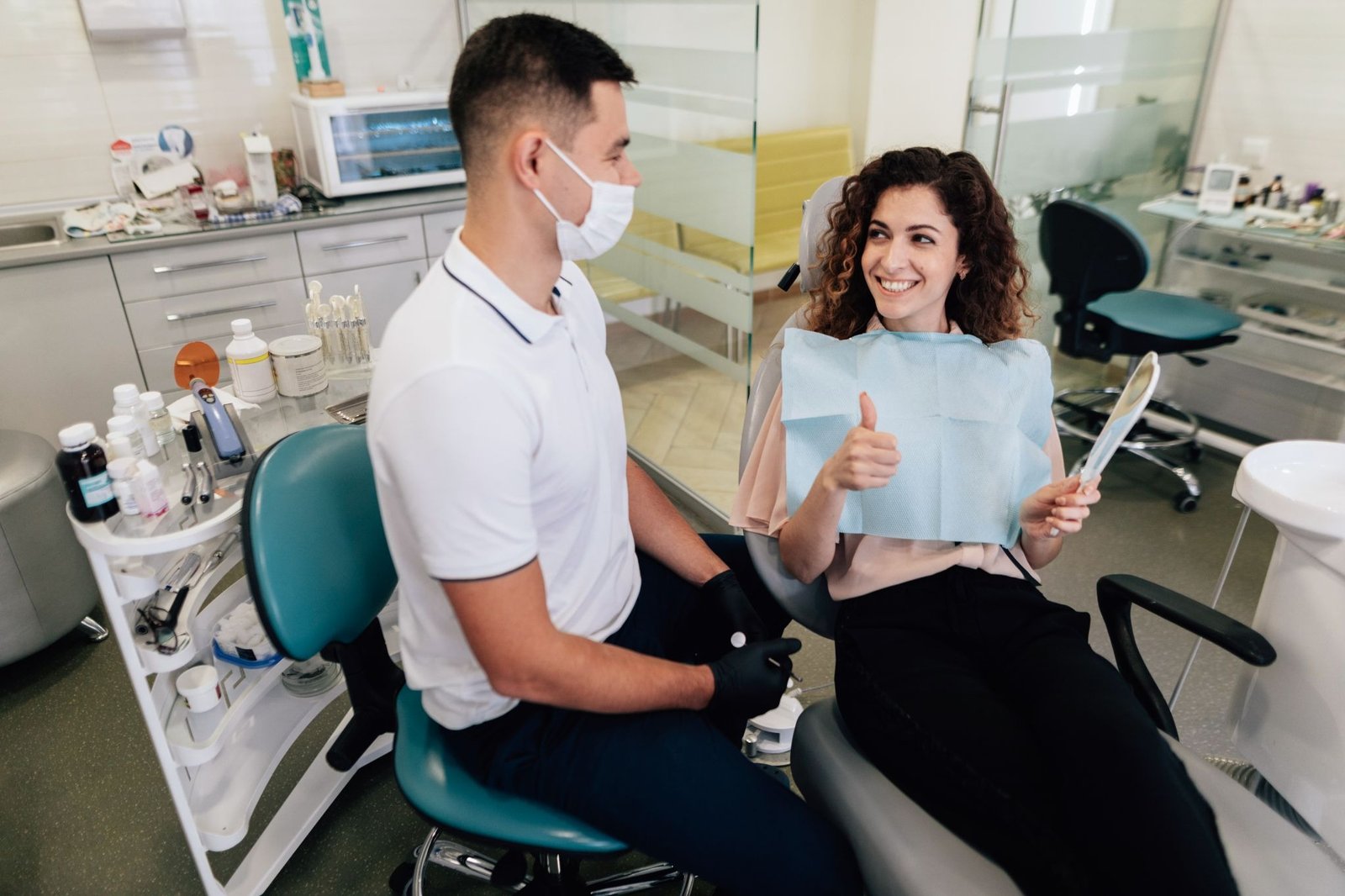
A Dental Clinic is an important part of maintaining healthy teeth and gums throughout different stages of life. Before visiting a Dental Clinic, it helps to understand what services may be available, what to expect during an examination, and how to prepare for your appointment. A Dental Clinic can provide routine examinations, cleanings, preventive care, restorative treatment, and guidance for maintaining oral health. Whether you are scheduling your first appointment or returning for regular care, knowing what happens at a Dental Clinic can make the experience easier and help you communicate your concerns clearly.
For patients looking for a Dental Clinic in San Jose, Dullat Cosmetic Dental & Implants provides a setting where different dental concerns can be evaluated. Preparing for your visit can help ensure that important symptoms, questions, and dental history are discussed during your appointment.
Why Should You Visit a Dental Clinic Regularly?
Regular dental visits are about more than treating problems after they become uncomfortable. Routine examinations allow dental professionals to monitor the condition of your teeth and gums and identify changes that may require attention.
Some dental problems do not cause noticeable symptoms during their early stages. A cavity, enamel damage, or gum inflammation may develop before you experience pain. Regular examinations can help identify these concerns earlier.
A Dental Clinic may also provide preventive guidance based on your individual oral health. This can include recommendations for:
- Brushing and flossing techniques
- Fluoride use
- Dietary habits
- Professional dental cleanings
- Monitoring gum health
- Preventing tooth decay
What Should You Bring to Your Dental Appointment?
Preparing a few basic details before your appointment can help make the visit more productive. If you are visiting a new Dental Clinic, you may need to provide information about your previous dental treatment, current medications, allergies, and relevant medical history.
It can also help to make a list of dental concerns you have noticed. These might include tooth sensitivity, bleeding gums, bad breath, jaw discomfort, tooth pain, or changes in the appearance of your teeth.
If you have dental records or recent X-rays from another dentist, you may want to ask whether they can be transferred to your new provider. Having previous information available can help the dentist understand your dental history.
What Happens During a Dental Examination?
A routine dental examination generally involves an assessment of the teeth, gums, and other areas of the mouth. The dentist may look for cavities, damaged teeth, gum problems, signs of enamel wear, and other oral health concerns.
Depending on your dental history and symptoms, dental X-rays may also be recommended. X-rays can help identify problems that cannot be seen during a visual examination, including certain issues below the gumline or between teeth.
The dentist may also ask questions about your oral hygiene habits, diet, sensitivity, previous treatments, and any symptoms you have experienced.
What Are General Dental Services?
General dental services cover many of the routine treatments and evaluations used to maintain oral health. These services can include dental examinations, professional cleanings, cavity treatment, fillings, gum care, fluoride treatments, and other forms of preventive and restorative care.
Common general dental services may include:
- Routine dental examinations
- Professional teeth cleaning
- Cavity detection and treatment
- Dental fillings
- Gum health evaluations
- Fluoride treatments
- Preventive dental guidance
- Evaluation of tooth sensitivity
The specific services available can vary between dental practices. When searching for a dental clinic San Jose residents can consider for routine care, it is useful to determine whether the practice can address both preventive needs and common dental concerns.
General dental services are often designed to identify problems early and maintain the health and function of the teeth. Regular appointments can also help establish a consistent record of changes in your oral health over time.
Why Are Preventive Dental Services Important?
Preventive dental services focus on reducing the likelihood of dental problems and identifying concerns before they become more serious. Routine examinations and professional cleanings are common examples of preventive care.
Fluoride treatment is another preventive option that may help strengthen tooth enamel and provide additional protection against decay. If your dentist determines that additional enamel protection is appropriate, teeth enamel treatment may be discussed.
Preventive care is especially important because oral health can change gradually. Regular monitoring allows dental professionals to recognize patterns and recommend adjustments to your daily dental routine when needed.
Some important goals of preventive dental services include:
- Reducing the risk of tooth decay
- Supporting healthy gums
- Monitoring enamel condition
- Identifying dental concerns early
- Maintaining good oral hygiene
- Preventing minor problems from becoming more complicated
What Should You Know About Teeth Whitening?
Some patients visit a Dental Clinic because they want to improve the appearance of their smile. Teeth whitening is one of the commonly requested cosmetic dental treatments.
Tooth discoloration can occur because of aging, certain foods and beverages, tobacco use, and other factors. However, not all discoloration responds to whitening in the same way.
Before choosing a whitening treatment, a dental examination can help determine the cause of discoloration and whether whitening is appropriate. Existing cavities, gum problems, damaged teeth, or significant sensitivity may need to be addressed first.
If you are considering teeth whitening in San Jose CA, discussing your expectations with a dental professional can help you understand the available options and potential limitations.
How Can You Prepare for Your First Visit?
A little preparation can make a first dental appointment easier. Start by writing down any symptoms or concerns you want to discuss. Even if a symptom seems minor, mentioning it can help the dentist determine whether further evaluation is necessary.
Before your appointment, consider preparing:
- A list of current medications
- Information about previous dental treatments
- Any recent dental X-rays or records
- A list of symptoms you have noticed
- Questions about your oral health
- Information about dental sensitivity or discomfort
You should also be prepared to discuss your oral hygiene routine. Your dentist may ask how often you brush and floss, whether you use fluoride products, and whether you experience sensitivity or bleeding.
If dental visits make you uncomfortable, it is reasonable to mention this during your appointment. Communicating your concerns can help the dental team understand your preferences and explain procedures clearly.
What Questions Should You Ask Your Dentist?
A dental appointment is an opportunity to understand your oral health rather than simply receive treatment. You may want to ask what the dentist found during the examination and whether any areas require attention.
Useful questions may include:
- Are my teeth and gums healthy?
- Do I have any signs of tooth decay?
- Are there signs of gum disease?
- Do I need additional preventive care?
- How often should I schedule dental examinations?
- What can I do to improve my oral hygiene?
- Are there any treatments I should consider?
If treatment is recommended, ask why it is needed, what alternatives may exist, and what could happen if the issue is left untreated. Understanding the reason behind a recommendation can help you make informed decisions about your dental care.
How Often Should You Visit a Dental Clinic?
There is no single schedule that applies to every patient. The recommended frequency of dental visits depends on factors such as oral health, gum condition, cavity risk, age, previous dental treatment, and other individual circumstances.
Some people may benefit from routine visits at regular intervals, while patients with certain dental conditions may need more frequent monitoring.
Your dentist can recommend an appropriate schedule based on your current oral health and risk factors. Following that schedule can help maintain consistent preventive care.
When Should You Seek Dental Care Immediately?
Routine dental appointments are appropriate for many concerns, but some symptoms require more immediate evaluation. Severe tooth pain, significant swelling, uncontrolled bleeding, a knocked-out tooth, or a dental injury may require urgent attention.
Seek prompt dental evaluation if you experience:
- Severe or persistent tooth pain
- Significant swelling around the mouth or jaw
- Uncontrolled oral bleeding
- A knocked-out or severely damaged tooth
- A dental injury or accident
- Signs of a serious infection
Do not wait for a routine examination if you experience severe or rapidly worsening symptoms. Prompt dental evaluation can help determine the appropriate course of care.
What Are Early Signs of Gum Disease?
Gum disease can develop gradually, and some people may overlook its early symptoms. Common warning signs can include red or swollen gums, bleeding while brushing or flossing, persistent bad breath, gum tenderness, or changes in the way the teeth fit together.
These symptoms do not always mean that gum disease is present, but they should not be ignored. Early evaluation can help determine the cause and whether treatment is necessary.
Some symptoms to watch for include:
- Gums that bleed during brushing or flossing
- Red or swollen gums
- Persistent bad breath
- Gum tenderness
- Receding gums
- Changes in the way teeth fit together
Learning about the Early Signs of Gum Disease You Should Never Ignore can help you recognize symptoms that may require professional attention.
Final Thoughts
Knowing what to expect before visiting a Dental Clinic can make it easier to prepare for your appointment and communicate your concerns. A dental visit may involve an examination, professional cleaning, X-rays when appropriate, preventive recommendations, and discussion of any existing dental problems.
General dental services and preventive dental services can help maintain oral health and identify potential concerns early. Whether you are dealing with sensitivity, gum symptoms, tooth discoloration, or another concern, discussing the issue with a dental professional can help determine the appropriate next step.
Regular dental care, combined with good daily oral hygiene, can provide a foundation for maintaining healthy teeth and gums over time.
Frequently Asked Questions
Q1. What should I bring to a Dental Clinic appointment?
If you are visiting a new Dental Clinic, bring information about your dental and medical history, current medications, allergies, previous dental treatment, and any relevant dental records. A list of symptoms or questions can also be helpful.
Q2. What are general dental services?
General dental services can include examinations, professional cleanings, fillings, cavity treatment, gum care, fluoride treatments, and other routine preventive or restorative procedures.
Q3. How often should I visit a Dental Clinic?
The recommended frequency depends on your oral health, dental history, cavity risk, gum health, and individual needs. Your dentist can recommend an appropriate schedule based on your examination.
Q4. Are bleeding gums a reason to visit a dentist?
Yes. Bleeding gums can have several causes, including gum inflammation and periodontal problems. If bleeding occurs regularly, it is worth discussing with a dental professional.
Q5. Can I ask questions during a dental examination?
Yes. Asking questions about your oral health, recommended treatments, preventive care, and alternatives can help you understand your dental condition and make informed decisions about your care.
 Location
 Appointment
 Phone
Phone