

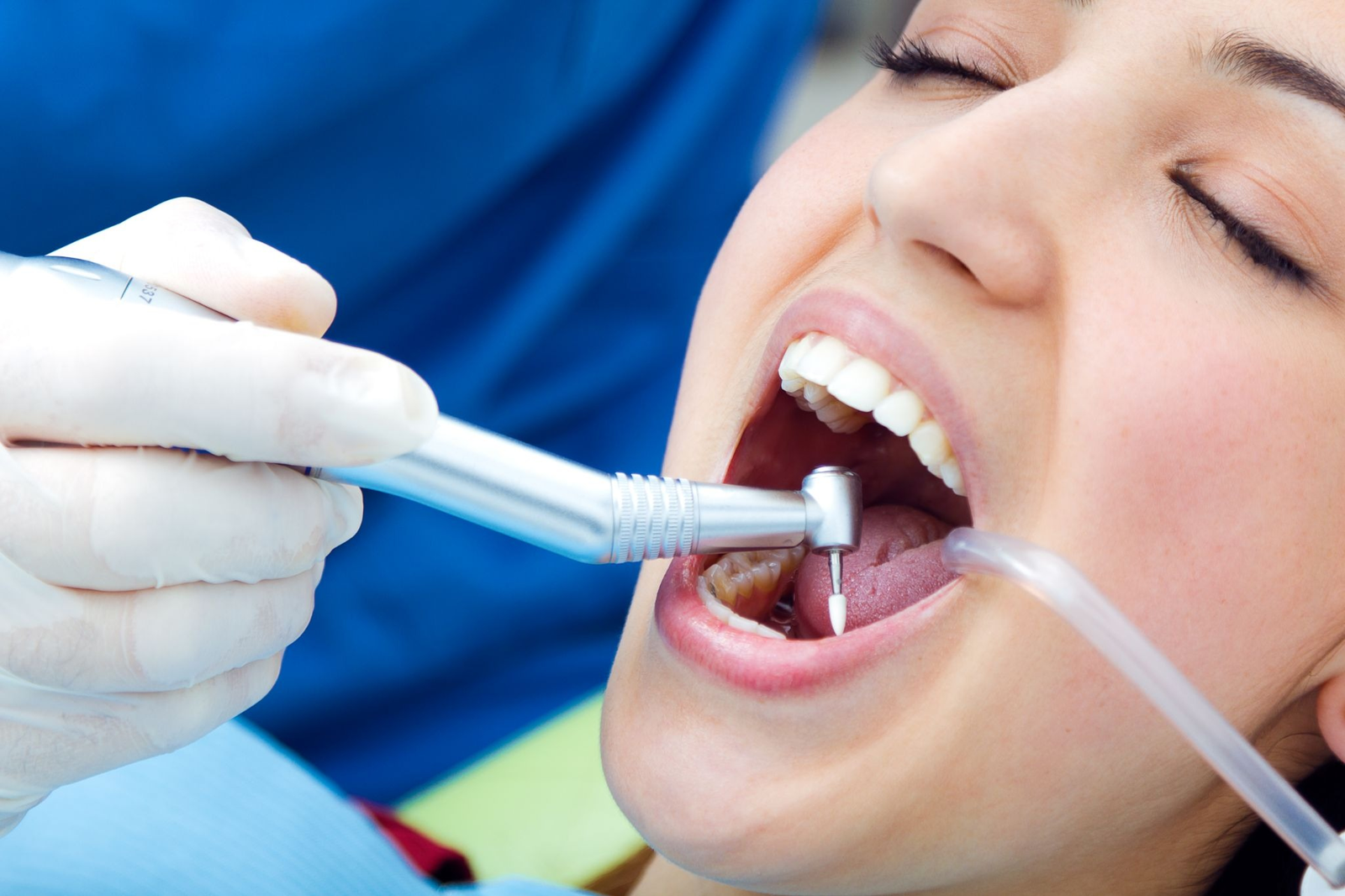
Dental Sealants are a preventive dental treatment designed to protect teeth from decay and support long-term oral health. Dental Sealants create a protective layer over the chewing surfaces of teeth, helping prevent bacteria and food particles from collecting in areas that are difficult to clean. Dental Sealants are commonly recommended for children, teenagers, and adults who want additional protection against cavities. By supporting daily brushing and flossing routines, sealants can become an important part of cavity prevention.
Many people consider preventive treatments because maintaining healthy teeth is easier than treating cavities after they develop. At Dullat Cosmetic Dental & Implants, patients can learn about preventive options based on their oral health needs and dental goals. Understanding how sealants work, who can benefit from them, and how they support overall dental care can help individuals make informed decisions about protecting their smiles.
What Are Dental Sealants?
Dental sealants are thin protective coatings applied to the chewing surfaces of teeth, especially molars and premolars. These teeth often contain grooves and small spaces where food particles and bacteria can collect. Even with regular brushing, these areas may be challenging to clean completely.
A tooth sealant works by creating a smooth barrier over these grooves. This barrier helps reduce the chances of plaque buildup and makes the tooth surface easier to maintain.
Dental sealants are usually made from safe dental materials and are applied directly to the tooth surface. The procedure is simple, comfortable, and does not require significant changes to the tooth structure.
How Dental Sealants Help Prevent Cavities
Cavities develop when bacteria in the mouth produce acids that damage tooth enamel. Areas with deep grooves are more likely to collect plaque because they are harder to reach during brushing.
Dental sealants support cavity prevention by:
• Creating a protective barrier against bacteria
• Reducing food buildup in tooth grooves
• Making chewing surfaces easier to clean
• Supporting regular oral hygiene habits
A cavity prevention sealant does not replace brushing, flossing, or routine dental visits. Instead, it works together with these habits to provide additional protection.
Dental Sealants vs Fluoride Treatments
Both sealants and fluoride treatments support cavity prevention, but they work in different ways.
Dental sealants protect specific areas of teeth by covering grooves and creating a physical barrier. Fluoride treatments strengthen tooth enamel and help improve resistance against acid attacks.
Some patients may benefit from combining preventive treatments. For example, teeth enamel treatment can help strengthen enamel, while sealants provide surface protection in vulnerable areas.
A dentist can recommend preventive care options based on individual oral health needs.
The Dental Sealant Application Process
The process of applying dental sealants is straightforward and usually completed during a regular dental appointment.
The general steps include:
Cleaning the Tooth Surface
Before applying the sealant, the tooth is cleaned to remove plaque and debris. A clean surface helps the sealant bond properly.
Preparing the Tooth
The tooth surface is prepared so the sealant material can attach effectively. This step helps create a strong connection between the sealant and the enamel.
Applying the Sealant
The dentist applies the protective material into the grooves of the tooth. The sealant flows into the small spaces and creates a smooth surface.
Hardening the Sealant
A special light may be used to harden the material. Once set, the sealant forms a protective layer over the tooth.
The entire process is usually quick and does not require anesthesia.
Benefits of Dental Sealants
Dental sealants provide several benefits for patients looking to protect their teeth from decay.
Some advantages include:
• Helps reduce cavity risk
• Provides protection for difficult-to-clean areas
• Supports preventive dental care
• Helps maintain healthy tooth surfaces
• Suitable for different age groups
Because sealants are preventive, they are often recommended before cavities develop. Applying protection early can help reduce the need for more extensive dental treatments in the future.
Who Can Benefit From Dental Sealants?
Dental sealants are often associated with children because newly developed permanent teeth can benefit from early protection. However, adults can also benefit from this preventive treatment.
Dental sealants for adults may be recommended for individuals who have deep tooth grooves or are at higher risk of developing cavities.
People who may benefit include:
• Children with newly erupted permanent molars
• Teenagers with cavity concerns
• Adults looking for additional protection
• Patients with deep grooves in their teeth
A dental professional can evaluate tooth condition and determine whether sealants are suitable.
Dental Sealants for Adults
Many adults assume sealants are only for children, but protective tooth sealant options can also support adult oral health. Adults may develop cavities due to factors such as changes in oral hygiene habits, diet, dry mouth, or existing tooth conditions.
For adults, sealants may be considered as part of a broader preventive care plan. They can provide additional protection for teeth that are more difficult to clean effectively.
Patients interested in learning about dental sealants san jose options can discuss their needs with a dental provider to understand whether this treatment is appropriate.
How Long Do Dental Sealants Last?
The lifespan of dental sealants depends on factors such as chewing habits, oral hygiene, and regular dental care. Many sealants can provide protection for several years when properly maintained.
During routine dental visits, a dentist can check whether the sealant remains intact or if replacement is needed.
Maintaining good oral care habits can help support the effectiveness of sealants over time.
Maintaining Teeth After Sealant Placement
Although sealants provide protection, they are only one part of a complete oral care routine. Patients should continue practicing healthy habits to maintain their dental health.
Important steps include:
• Brushing teeth twice daily
• Flossing regularly
• Visiting the dentist for checkups
• Limiting excessive sugar intake
• Following recommended preventive care
Regular dental appointments allow professionals to monitor sealants, identify early concerns, and provide guidance for maintaining healthy teeth.
Choosing the Right Preventive Dental Care Approach
Every patient has different dental needs. Factors such as age, oral hygiene habits, tooth structure, and cavity risk can influence which preventive treatments are recommended.
A dental professional can evaluate:
• Existing tooth conditions
• Cavity risk factors
• Tooth enamel strength
• Oral hygiene routine
• Long-term dental goals
This personalized approach helps ensure patients receive care that matches their specific needs.
Conclusion
Dental Sealants provide a simple and effective way to support cavity prevention and protect vulnerable tooth surfaces. By creating a protective barrier over deep grooves, sealants help reduce plaque buildup and make teeth easier to maintain.
While dental sealants are commonly used for children, adults can also benefit from this preventive treatment. When combined with regular brushing, flossing, and professional dental care, sealants can support long-term oral health.
Understanding preventive options such as a dental tooth sealant can help patients take proactive steps toward maintaining strong and healthy teeth.
Frequently Asked Questions
Q1. What are dental sealants?
Dental sealants are protective coatings applied to the chewing surfaces of teeth to help prevent bacteria buildup and reduce the risk of cavities.
Q2. Are dental sealants only for children?
No. While sealants are commonly recommended for children and teenagers, adults may also benefit from them depending on their cavity risk and tooth condition.
Q3. How long do dental sealants last?
Dental sealants can last for several years with proper care. Regular dental checkups help ensure they remain effective.
Q4. Do dental sealants hurt during application?
No. The application process is generally comfortable and does not require drilling or anesthesia.
Q5. Can dental sealants replace brushing and flossing?
No. Dental sealants provide additional protection but should be used along with regular brushing, flossing, and professional dental care.
 Location
 Appointment
 Phone
Phone